
• Skip to primary navigation
  • Skip to main content
  • Skip to primary sidebar
Revision Logo Revision Logo
Solar Calculator Get Started
Get Started Solar Calculator
  • Solutions
    • Homes
    • Commercial
    • Service
  • Our Work
    • Projects
  • About
    • About
    • Our People
    • Social Impact
    • Our Locations
    • Careers
  • For Customers
    • Support & Service
    • Be A Solar Champion
  • News & Events
    • Releases
    • Press
    • Under the Sun Blog
    • Events and Webinars
  • Our Partners
  • Resources

Give us a call

Maine (207) 221-6342
New Hampshire (603) 632-1263
Massachusetts (978) 308-9041
Contact Us

by Chuck Hayward

Savings Higher Than Expected for Community Solar Share

January 12, 2025 by Mauricio Pence

This post was written by ReVision’s EV Analyst Chuck Hayward on his one-year “Solarversary” with a Community Solar Farm share. 

Part of the strategy to “electrify everything” is the use of solar panels. I own a ReVision Energy Community Solar Farm share. I just got the utility bill that completed my first year as a member, so I figured it’d be fun to look back at how it compares to the estimates I got in my original sales proposal.
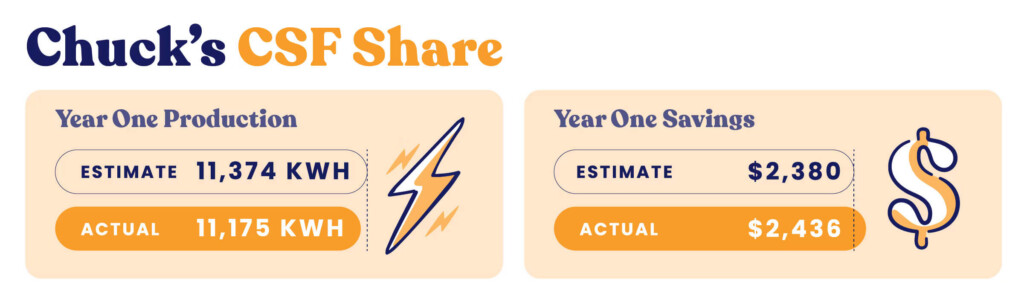
Estimated annual production was 11,374 kWh. Actual production was 11,175. That’s 98.5%. Impressively accurate! My annual electricity cost to offset was $2,380 at the time of the proposal. In the first year with my solar farm, I saved $2,436! That’s 102.4%. Again, impressively accurate. 

Some solar companies like to overpromise to help make a sale. But ReVision Energy’s accurate estimates are trustworthy thanks to (1) superior design and (2) transparency and honesty throughout the sales process (thanks Mike Sweeney and Chris Bitely). And none of this would be possible without the excellent work of the installation and service crews throughout the process, too. 
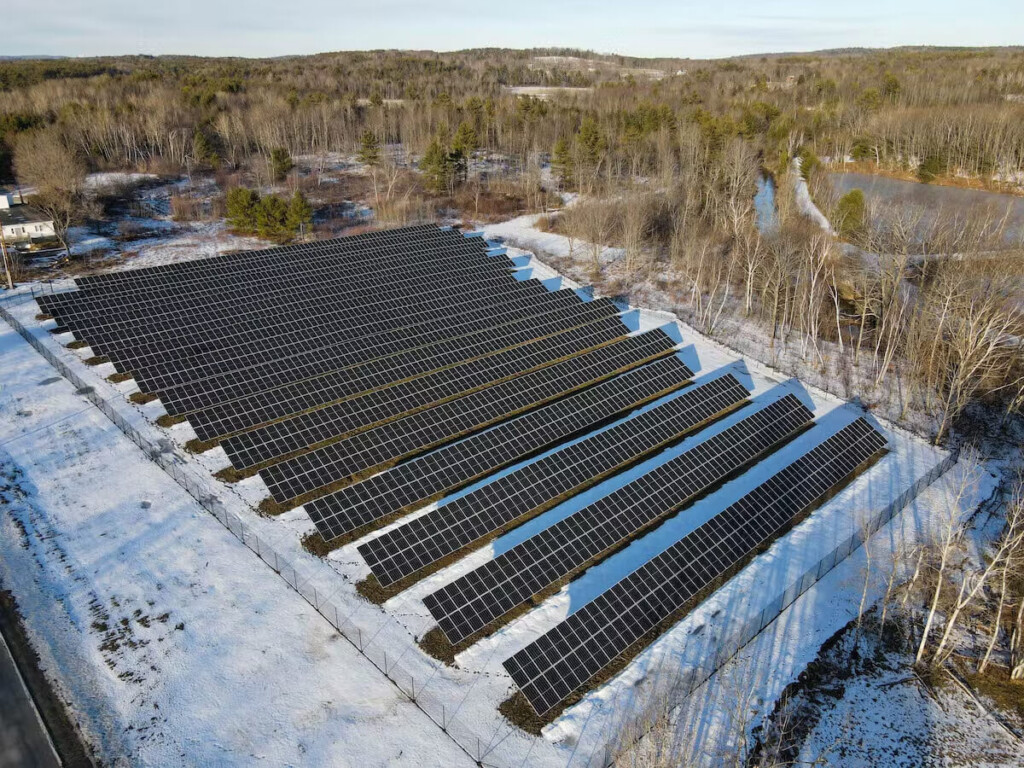
With ReVision’s ownership model, you own your share in the solar farm, just like you can own rooftop panels. That means you take out a loan or pay cash upfront to buy the share of the farm, but you get 30% tax credit back. (Thanks to the Inflation Reduction Act this was up from the 26% I was expecting when I signed up.)

When you own the solar, you get 100% savings for every kWh produced – not a 15% discount like many other subscription-based solar farms offer.

With the tax credit and the production I’m seeing, I’m on track to reach 100% payback of my investment in 7 years, maybe sooner if utility rates keep increasing faster than expected. Although historically prices have grown 3.4% per year, they were up 22% that first year! Solar insulates you from cost increases since the price you pay is essentially locked in when you purchase it. Payback is less than 10 years for most homes, depending on the annual demand you’re looking to offset. After it’s paid back, I’ll get 20-25 years of solar electricity basically for free!

Will a Community Solar Farm share work for you? We currently have openings for CMP customers in Maine – sign up here. 

Filed Under: Under the Sun Blog Tagged With: by Chuck Hayward, OLD Solar Champion Stories

Thriving in the Cold: Navigating Cold Weather with Electric Vehicles

February 13, 2024 by Ale Moreno

This blog post was written by EV Infrastructure Designer & Analyst Chuck Hayward.

You’ve probably heard the claims that electric vehicles (EVs) don’t work in the snow, can’t charge when it’s cold, or will leave you stranded and freezing in a snowstorm. Guess what? It’s not true. Many people point to the country of Norway as the leading example of widespread EV use in cold climates or this Nissan EV that recently drove 18,000 miles from pole to pole. Between our fleet of ReVision EVs and our employee-owners’ personal EVs, we have plenty of winter experience with different makes and models right here in New England.

Better Stability and Traction 

EV batteries can be heavy, but the weight is lower in the car and more evenly distributed than combustion vehicles. As a result, EVs generally get better traction and stability when driving on snow and ice. For example, I have an EV and a small gas truck, both weighing just over 4,000 lbs. The EV is far more stable and slides less since the weight is distributed more evenly across all four wheels. In gas vehicles, more weight is up front from the engine, and you don’t get as much traction on the rear wheels. It’s especially bad in trucks, which is why many truck drivers carry bags of sand in the bed all winter to improve traction. 

Range Loss Can Be Mitigated 

Chuck_EVpiece.png

I was able to pick up dinner in the middle of a snowstorm in my EV with no problems.Batteries, like people, don’t like to be too cold. Cold weather slows down the chemical reactions in batteries, and their output drops. This occurrence causes EVs to lose range in the cold, meaning they can’t drive as far on a full charge as they can in warm weather. 

However, the most significant winter range loss factor is heating the vehicle’s interior. In combustion vehicles, most energy released in combustion is wasted as heat. In cold weather, that heat is redirected to the interior. EVs don’t have excess waste heat, so they have to use some energy from the battery to keep passengers comfortable inside. Thankfully, modern EVs are implementing more efficient heaters that cause less range loss. Many now offer heat pumps, the same super-efficient technology that ReVision installs to heat homes! 

There are also many strategies drivers can use to minimize range loss, such as using heated seats instead of cabin heaters whenever possible. Cabin preconditioning is another strategy where you run the heat to warm up the car while it’s still plugged in to pull energy from the charger instead of the battery. It’s as simple as the remote start feature of combustion vehicles but without the emissions and noise of idling in the driveway for 10 minutes. 

Many studies (like this one) have tried to quantify winter range loss. From my experience, behavior makes a huge difference. My car has a heat pump, which takes a lot of energy to raise the temperature but only a little to maintain a temperature. When first bringing the cabin temperature up to a comfortable level, it consumes power 5x as fast as it does while maintaining that temperature later on. When I do short drives where the power is mostly directed to raising the temperature, I’ve seen my efficiency drop as much as 40% below summer levels. But on long drives where most of the time is spent maintaining that comfortable temperature, my overall efficiency only drops about 10-15% below summer levels. Either way, the reduced range is still far more than I usually need in a day before I recharge at night. 

DC Fast Charging Might Be Impacted 

Chuck_EVpiece2.png

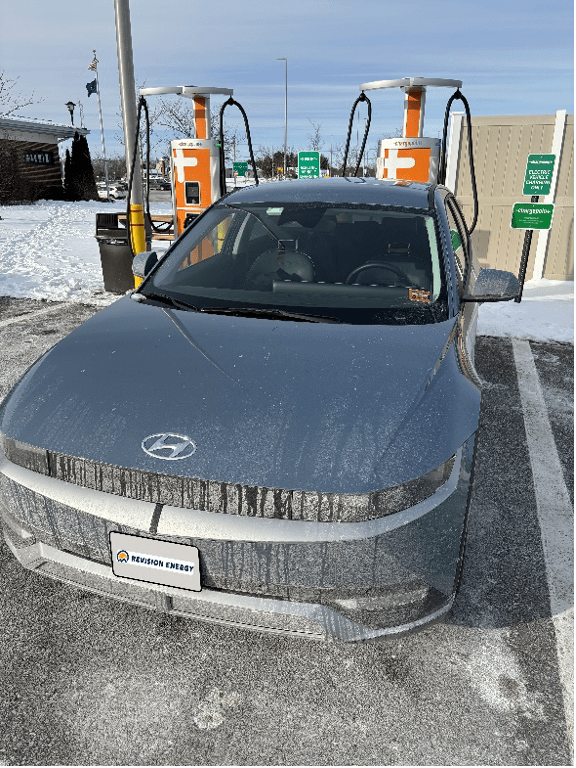
Cold weather charging at a ReVision-installed DC Fast ChargerCold batteries also take longer to charge. You’ve probably heard about this from the recent cold snap in Chicago. If you can plug in at home overnight to keep your car charged, you really don’t have to worry about charging it in the cold. Cold is mainly an issue with DC fast charging. And even then, many EVs now offer battery preconditioning that allows them to charge almost as fast as they would in the summer. 

For battery preconditioning, you only need to set a fast charger as your destination in the navigation system. The car will automatically warm the battery so it is at the right temperature when you arrive, and charging speeds will be similar to what you’ll see in warm weather. The battery can take 20-30 minutes to warm up on really cold days. Admittedly, you can’t always program a charge stop that far ahead of time, so some vehicles are starting to add manual preconditioning buttons.

Safe Heat for Days 

Some people claim that if you get caught in a snowstorm, you’ll drain the battery, run out of heat, and freeze. This claim is perhaps the biggest whopper of all the winter EV claims. If you’re caught in a storm and not moving, EVs don’t use that much energy, and the batteries can last for a while. You can view many tests online to see just how long different vehicles will last. In the best cases, some last for multiple days. Our friend, Steve from Plug and Play EVs, did one of the most realistic tests and kept an older, less-efficient Bolt at a balmy 75° for 7 hours using only 20% of his battery. Of course, how long it will last all depends on how much charge you start with, just like it would depend on how full your tank was with a gas car.  

Chuck_EVpiece3.png

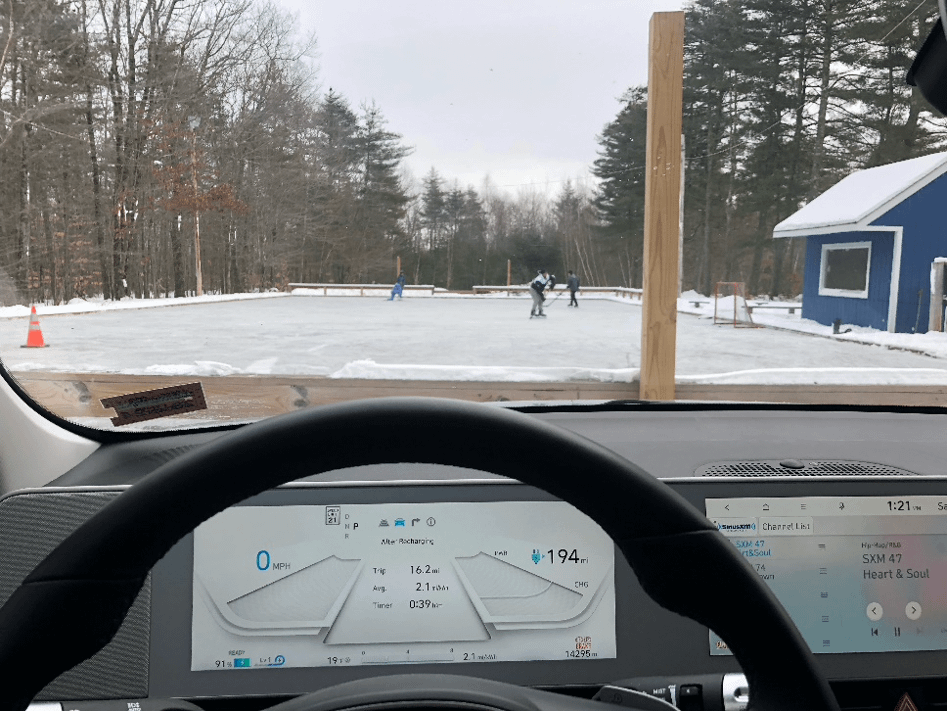
Watching the ice skating from our warm EVThe other advantage is that the exhaust of gas cars is toxic and can be dangerous in snowstorms. There are tragic examples of people dying from carbon monoxide poisoning while idling their cars to stay warm in snowstorms. Snow builds up enough to block the exhaust pipe, redirecting the toxic exhaust into the cabin. There is no poisonous exhaust with EVs, so you can keep warm and safe inside for a long time. 

We went ice skating recently. No joke, the guy working there told us the warming hut was open but smelled like it might have a propane leak inside from the heater. Even though it was 19° outside, we stayed toasty warm and safe in the EV while enjoying some hot cocoa from our thermos. 

Filed Under: Under the Sun Blog Tagged With: by Chuck Hayward, EV Updates

EV Corner: Electric Yard Tools

November 6, 2023 by Ale Moreno

Above, Solar Champion Dana Ward uses his electric lawn mower (charged by his home’s solar array) in his front yard.

Cleaner, Quieter, Cheaper: Electric Yard and Lawn Care Tools

This month’s column is written by Chuck Hayward, EV Infrastructure Designer & Analyst. 

The beautiful fall foliage is sadly just about done throughout New England which means there are leaves everywhere. While leaving leaves on the ground provides many benefits for insects, other wildlife, and your lawn, you may still want to remove them from your driveway or use them as mulch for your garden beds. But why are we talking about this in the EV Corner?

leaf blower.jpg

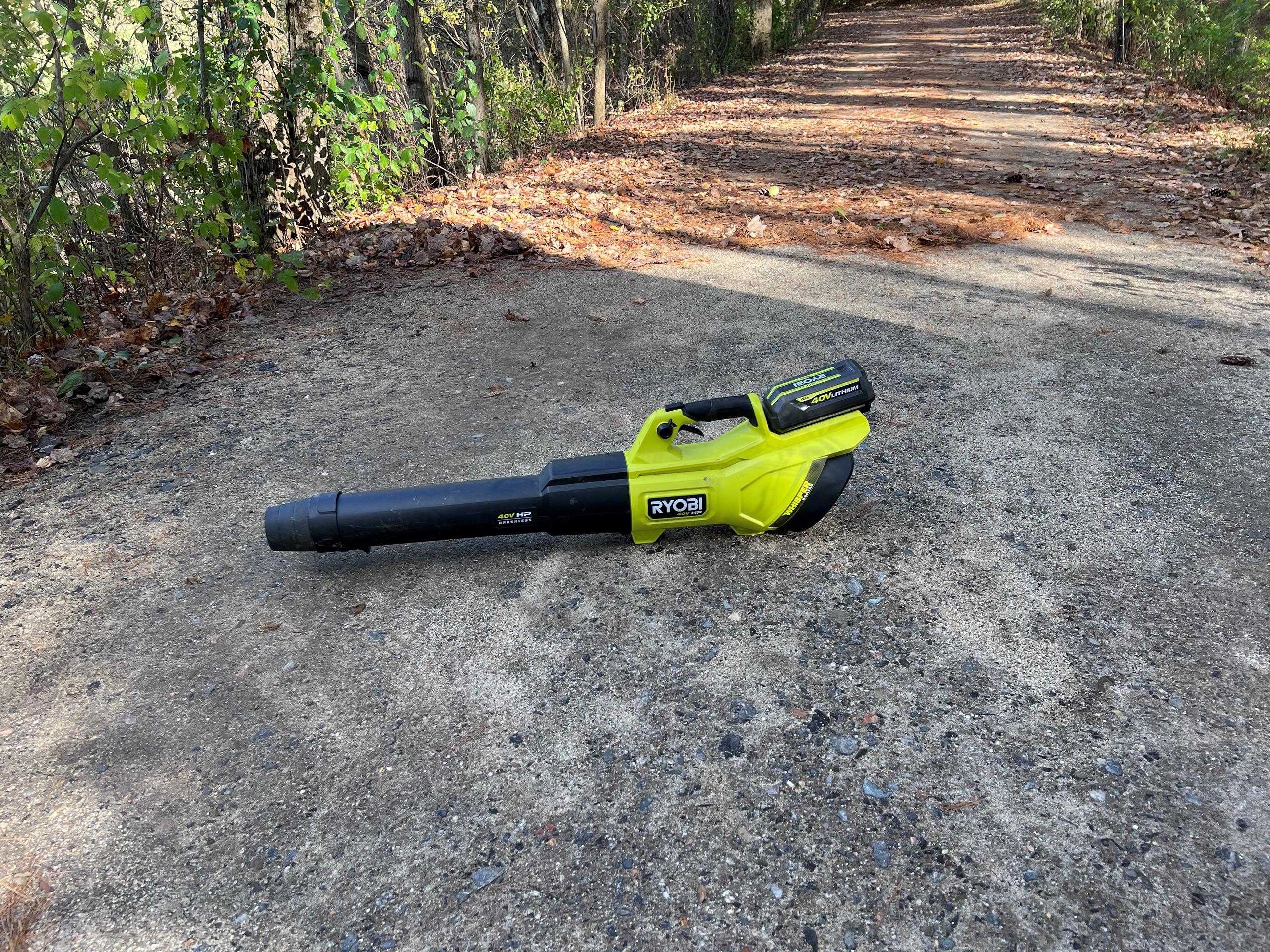
Electric leaf blowers are more than capable of clearing leaves, pine needles, and pinecones. Well, electric vehicles can obviously do a lot to reduce emissions, but the impact of switching your yard tools to electric versions is arguably even bigger. Many yard tools are two-stroke engines, which are particularly terrible for emissions. In one test by Edmunds, just 30 minutes of using a two-stroke leaf blower created the same emissions as would be created by driving a 2011 F150 Raptor almost 4,000 miles! Think about that. If you spend 30 minutes per week using a two-stroke leaf blower, you’d create the same emissions you would by spending your week driving from Maine to San Diego and then up the entire California coast in a 12-year-old high-performance pick-up truck.

While switching that truck to an electric version would start at about $50,000, high-quality battery-powered leaf blowers start around $100. And depending on where you live, you might even be able to borrow one or get purchase rebates. For example, both Portland and South Portland, Maine have electric tool libraries. And in Cape Elizabeth, co-founder Phil Coupe’s teenage sons even started their own solar-powered electric lawn care business. 

SoPoGear Library.jpg

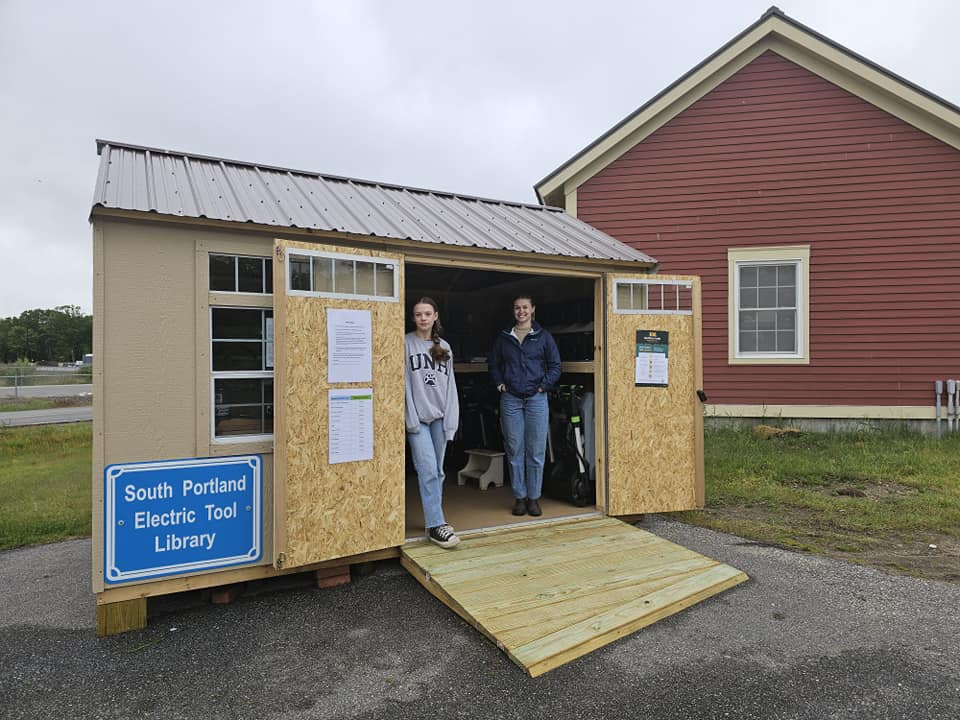
Credit: City of South Portland South Portland residents can borrow yard tools for one week just by using their normal library card. In 5 months, the library has provided over 230 rentals of mowers, leaf blowers, and string trimmers. South Portland also had a rebate program for residents to purchase their own electric lawn tools; this program was so popular that all the funding was awarded in less than a year. That program helped residents purchase 134 mowers, 35 leaf blowers, and 37 string trimmers – all of them 100% electric and zero emissions. (Thanks to Susan Parmalee and Cashel Stewart from South Portland’s Sustainability Office for the usage information.)

Emissions reduction isn’t the only benefit that electric tools offer.

Options


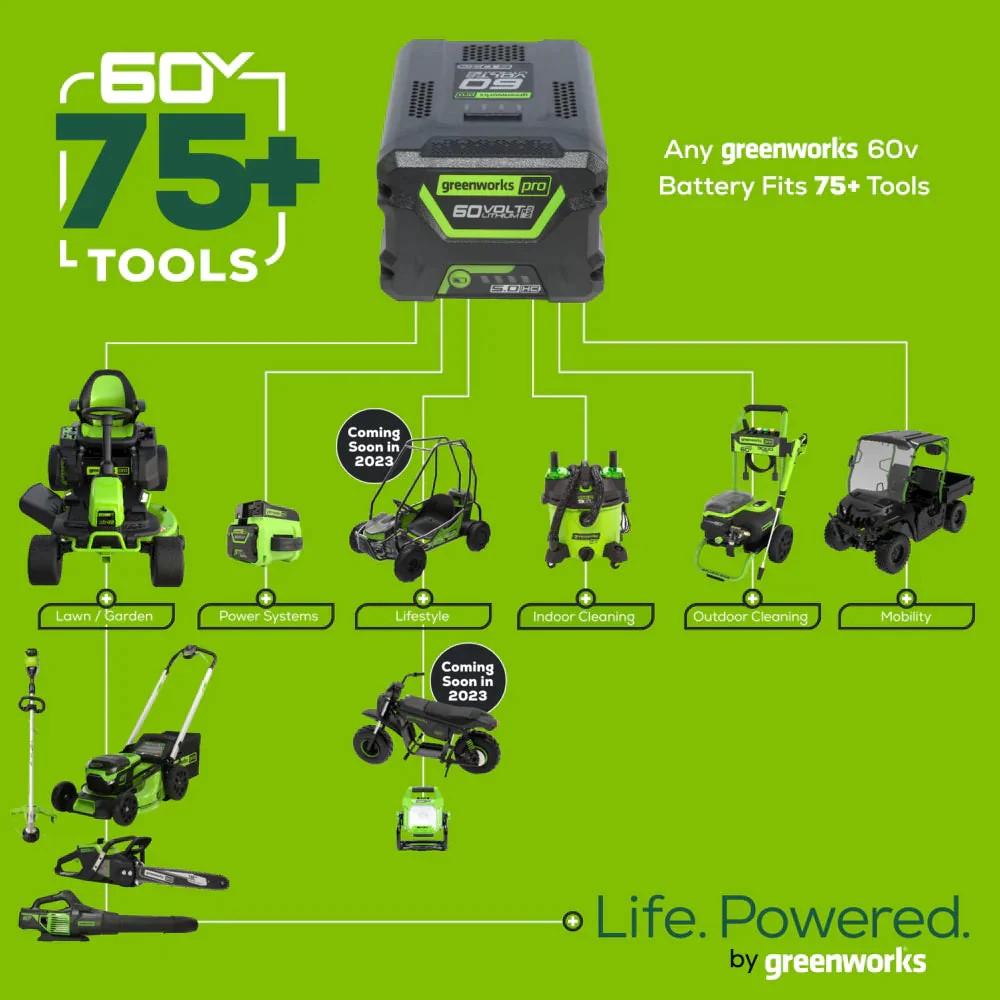
Pretty much any tool that runs on gas now has an equally capable electric version. Chainsaws, snowblowers, log-splitters, pressure washers, and even commercial mowers and backpack blowers. Many brands offer a full line of tools designed to all use the same batteries, reducing the overall cost; the same battery that powers your mower all summer can be swapped to power your snowblower in the winter.

Just some of the options you can get with the same Greenworks battery.

And when the work is done, you can use those same batteries for the electric mini-bike! Credit: Greenworks

Torque

Gas tools often bog down and stall when the work gets hard. But due to the way electric motors work, electric tools actually get more torque at low RPMs – precisely when they need it most. So that tall grass that slows down mowers and causes gas engines to stall would instead cause an electric mower’s torque to increase.

Noise

Electric tools are often much quieter than their gas counterparts, sometimes almost silent. That means happier neighbors, and less risk of damaging the operator’s hearing.

Gas and maintenance

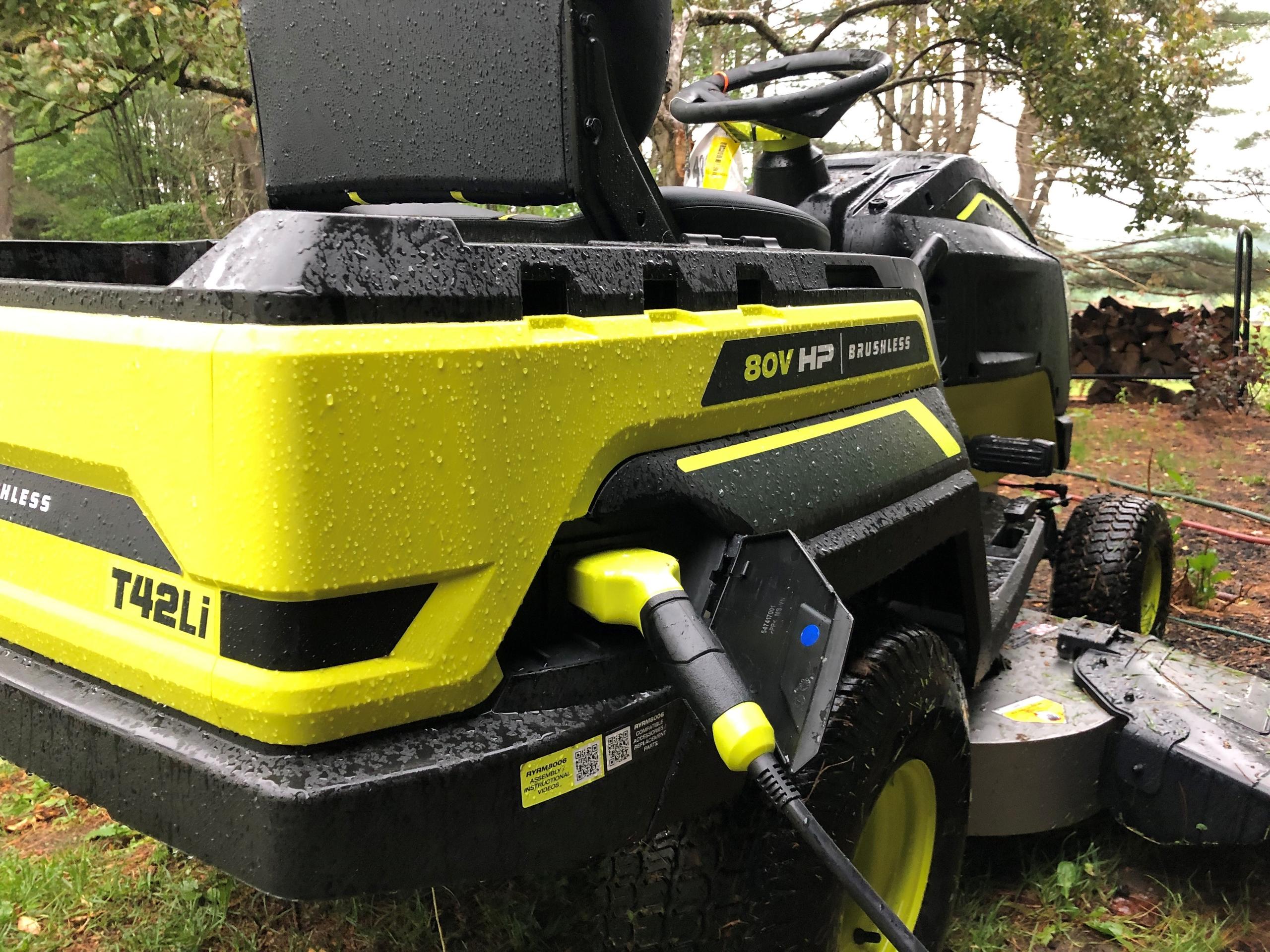
charging tractor.jpg

This Ryobi riding mower will cut up to 2 acres and charges from a regular outlet in 2-3 hours. Electric tools require almost no maintenance other than charging the batteries. That means no more oil changes and no more tune-ups, which can save hundreds of dollars a year. It also means no more gas spills to clean up, no trips to the gas station when you run out in the middle of cutting the lawn, no more smells in your car when you transport a can of gas in the back, and no draining the gas in the off-season.

Overall, electric lawn tools provide many of the same benefits as electric vehicles. And just like EVs, they are generally easier and more enjoyable to operate than the gas-powered alternatives.


Filed Under: Under the Sun Blog Tagged With: by Chuck Hayward, EV Updates

EV Corner: A Tale of Two Fuels

August 2, 2023 by Ale Moreno

This month’s EV Corner column is written by Chuck Hayward, EV Infrastructure Designer & Analyst. 

Earlier this month, we had some friends from out of state stay with us. With 4 adults and 2 kids in car seats, we couldn’t all fit in our EV, the Hyundai Ioniq 5 pictured above. So we ended up driving both our EV and our gas truck. And like Charles Dickens’ A Tale of Two Cities, our experiences of the vehicles were a tale of contrasts.

After we picked our friends up at the airport, our first stop was Fort Williams in Cape Elizabeth. We were at about half charge, so we decided to take advantage of the ReVision-installed chargers there and top off.

ft williams.jpeg

My favorite joke I learned: Why did the crab cross the road? To get to the other tide.We charged for about 2 hours. During that time, we walked around telling each other bad jokes and exploring the lighthouse. Then we went over to the beach where we skipped rocks and looked for shells. Finally, we made it up to the Children’s Garden. It features a giant stone slide and the kids must have done about 100 rounds on it. The adults got in a couple of runs, too!

Throughout the four-day visit, we plugged in each night when we got home. We spent our evenings making lobster pasta, playing games, and reading bedtime stories to the kids. And each morning, we woke up to a full charge, ready to explore again.

Range Anxiety? Not in our Electric Vehicle. 

With the gas truck on the other hand, we were hoping we wouldn’t have to fuel it while they were here. But the low fuel light finally came on the night before we had to take them back to the airport. Turns out the only range anxiety we felt was in our gas vehicle! So my friend and I left in the truck a few minutes earlier than everybody else in the EV so that we could stop to fill up on the way to the airport. For 5 minutes, my friend sat inside the truck while I filled up. It was next to a noisy roundabout and even though it was 88° outside, he couldn’t run the A/C since it has to be turned off while fueling. With EVs, you can continue to run the A/C while you’re sitting and using a fast charger for 15 or 20 minutes.

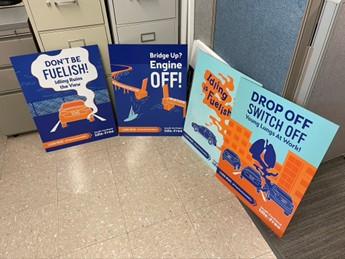
no idling sopo.jpg

You’ll find various anti-idling signs around South Portland. (Image: SoPo Sustainability)A/C use isn’t just an issue when fueling. Being able to use A/C in an EV without idling is a big advantage. When we got to the airport, their flight was delayed by 30 minutes. We pulled into a parking lot to spend the extra time together. Some of us got to comfortably wait in the EV with the A/C on, but we couldn’t do that with the gas truck since idling is noisy and pollutes. It’s actually illegal to idle for more than 5 minutes in the state of Maine.

Our Gas-Powered Vehicle Costs 3x More to Fill.

How about costs? Both the charger at Ft. Williams and our home rate are about $0.25/kWh. Our EV averages 3.4 miles/kWh, meaning it costs us about $0.07/mile to drive. The gas truck averaged only 17.8 mpg, even though it is a smaller, 6-cylinder Nissan Frontier. With gas costing about $3.60/gallon, that means we pay $0.20/mile to drive the truck. That’s almost 3 times as much!

Even though filling up the truck with gas only took five minutes, it was inconvenient and uncomfortable when we were forced to do it. EV charging took longer overall, but it mostly happened passively while we were enjoying other activities. The only time actively spent on EV charging was about 30 seconds to plug and unplug the cable – even less time than it takes to pay at a gas pump.

The EV was also way more comfortable throughout the hot weekend and more fun to drive. After effortlessly merging onto the highway one time with the EV’s instant acceleration, the kids kept asking us to make the car ‘zoom’ again. To borrow from Charles Dickens’ end to A Tale of Two Cities, “An EV is a far, far better thing that I drive than I have ever driven.”

Filed Under: Under the Sun Blog Tagged With: by Chuck Hayward, EV Updates

Range Anxiety Part 2: Equity

March 30, 2023 by Ale Moreno

This month’s EV Corner column is written by Chuck Hayward, EV Infrastructure Designer & Analyst. 

Last month, we explored range anxiety, focusing on how most electric vehicle (EV) drivers who have access to home charging won’t actually experience issues with range. The problem is that not everybody has easy access to charging at home, and without convenient charging, it’s not practical to drive an EV.

Installing chargers is particularly difficult and expensive if you don’t have a garage, rent your home, or live in a multi-unit building with shared parking. While public and workplace chargers can help in these situations, access to public chargers is also not equitable. They tend to be more common in white, affluent neighborhoods. Fortunately, there are some ways to make vehicle electrification more equitable.

EV Ordinances

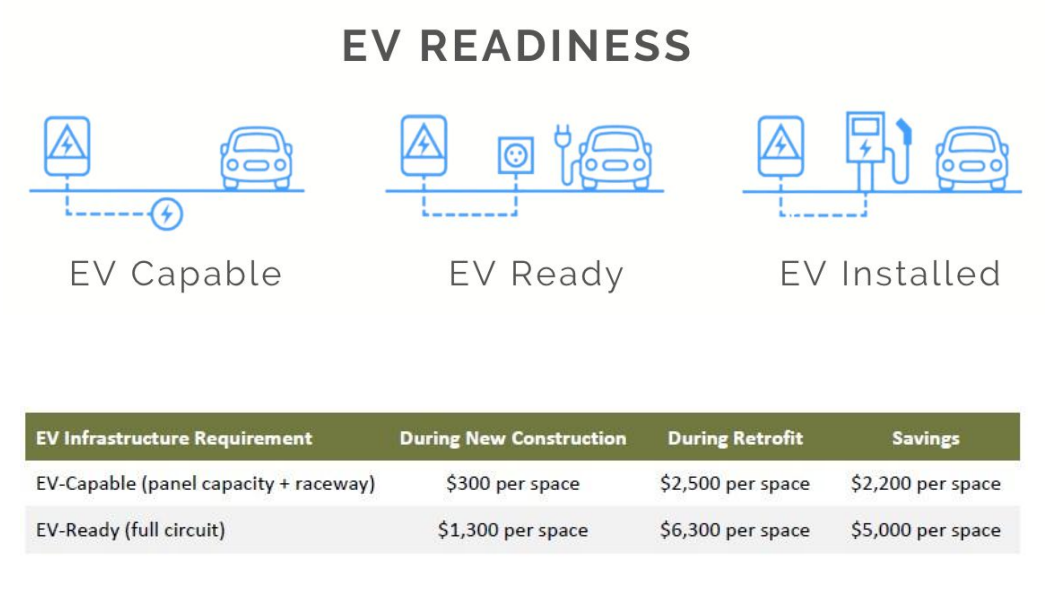
There was a time when apartments with indoor plumbing and electricity were seen as “luxury,” but our building standards have evolved to require these things; this is starting to become true for EV chargers. Although still largely an added amenity for developers or building owners, EV chargers are beginning to be required by some towns and city ordinances, just like there are standards for proper lighting or outlets. Over time, this will make charging available for everybody instead of merely an added amenity for the wealthy. 

EV Charging SoPo.PNG

South Portland’s ordinance has 3 levels of EV “readiness” requirements. Requiring it during construction saves money over retrofitting it later. [Source: southportland.org]

These ordinances don’t require huge investments for developers or property owners; adding EV charging to a home is comparable to adding an outlet for a dryer. Any future resident will be able to plug their own car charger into that outlet.

ReVision recently helped the city of South Portland, ME create their own EV charging infrastructure ordinance. It sets standards for EV charging installation during construction of new buildings and parking lots. The requirements vary based on building size, parking lot size, and type of use. Other towns around New England are also working to develop their own EV-focused ordinances.

More Affordable Charging for Shared Housing

Adding EV charging to a single-family home is usually easy. But multi-family homes like condos and apartment buildings weren’t designed to carry the additional electrical load of multiple EV chargers for all residents, and upgrading electrical systems can be very expensive. Fortunately a technology called load management can be built into EV chargers. It allows chargers to share limited power so that more chargers can be installed without needing a costly service upgrade. Then, more EVs can plug in at the same time and drivers don’t have to coordinate taking turns on just a couple of chargers. The system automatically shares the limited power across all of the chargers. This technology also helps lower utility bills!At our location in South Portland, we’re starting to test out the load management technology of new EverCharge units

new evercharge EV units installed outside ReVision Energy's portland branch

Retrofitting multiple chargers to existing buildings can be expensive and difficult. ReVision is currently replacing and expanding our own EV chargers at our branches with 13 EverCharge units, which allows us to test their load management technology. It will help us provide more cost-effective installations for apartments and condominiums. 

Purchase prices and incentives for EVs

Even with available charging, EVs are still expensive to purchase, but recent changes to government incentives are helping make EVs more equitable. We’ve had tax credits for about a decade that have helped reduce the price of new EV purchases, but with the passage of the Inflation Reduction Act in 2022, the credits have been restructured to help lower-income consumers. Starting in 2024, the federal tax credits of up to $7,500 on new EVs will become transferrable to the dealer and applied at the time of sale. This means the credits will become instantly available to buyers with lower incomes who might not have enough tax liability to take advantage of a credit. Federal tax credits have also been expanded to include used EVs and offer up to $4,000 back when purchasing from a dealer. 

State and local incentives can often be used as well. Many of these incentives are largest for those in the lowest income brackets and phase out for higher income purchasers and for higher sticker-price vehicles. For example, Maine offers up to $2,500 for a used EV and it is only available to people who already qualify for low-income assistance programs like SNAP.

Even with expanded charging and purchase incentives, it will probably still be years before we see EVs become accessible to everybody. Many drivers scrape together a few thousand dollars to buy the cheapest used vehicle they can. And unfortunately there aren’t a lot of used EVs that are old enough to come anywhere near that price. It will be at least another 5 to 10 years before we see a substantial number of truly affordable used EVs available. So, what else can we do in the meantime?

“An advanced city is not one where even the poor use cars, but rather one where even the rich use public transport.” – Enrique Peñalosa


Electric buses (and non-passenger vehicles)

Revision installed EV chargers for electric public busses in portland


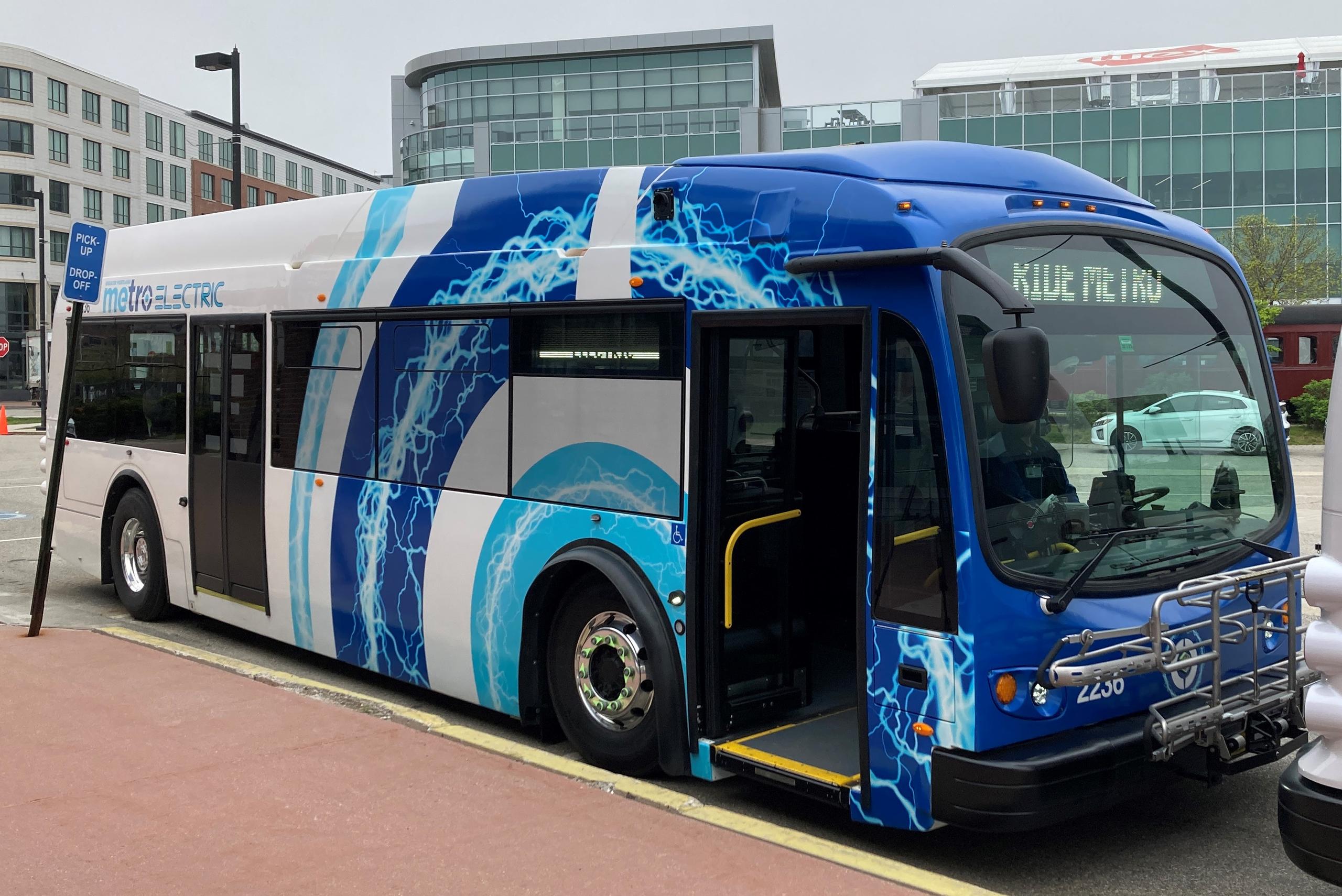
ReVision installed chargers for electric buses at the Portland Bus Depot. It’s easy to spot this bright blue electric bus around town, but you’ll have to listen closely to hear it. Electric buses, now available for both schools and public transportation, enable children and adults without personal cars to benefit from vehicle electrification. Electrification is great when you’re driving, but it is just as (or maybe more!) beneficial for passengers and pedestrians who are no longer exposed to the noise and fumes of a diesel bus engine. And it’s not just buses. Companies are also developing electric delivery vans and trash trucks. Even the Unites States Post Office plans to have more than 66,000 electric vehicles in the next 5 years! 

A recent study in California showed that as EV registrations increased in a community, the air pollution and asthma-related emergency room visits in that same community decreased. It has also been documented that asthma is more prevalent in lower income communities – the same communities that often rely on public transportation and diesel buses. One of the Asthma and Allergy Foundation of America’s strategies for combating asthma disparities involves reducing transportation-related emissions. Electrifying public transportation and other large vehicles is a big step in this direction and can have a huge impact on these communities.

Filed Under: Under the Sun Blog Tagged With: by Chuck Hayward, EV Updates

EV Corner: Range Anxiety

March 2, 2023 by Ale Moreno

This month’s EV Corner column is written by Chuck Hayward, EV Infrastructure Designer & Analyst. Next month he will do a deeper dive into the equity issues discussed below.​​​

Lightning charging.jpeg

When we talk about electric vehicles, there’s a lot that can seem confusing or even scary. One of the biggest concerns for people considering EVs is range anxiety.

Range anxiety is the fear that an electric car won’t be able to travel far enough to get you where you’re going, or at least not without having to wait a long time to recharge. This anxiety stems from America’s fascination with the idea of the road trip and because we’re assuming that we’ll “fill up” EVs the same as we do gas engines. We’re struggling to grasp how EVs will actually fit into our daily routines.

Granted, there are some places where public EV chargers aren’t available and we can’t get there in an EV. But there are many state and federal programs that will address this over the next few years. Unless we spend a lot of time in rural areas, the more common concern with range anxiety is that it can take 30 minutes or more to recharge an EV battery, even at a fast charger.

We assume that we’ll be trading our quick five-minute stop at the gas station for a half hour or more of sitting in our car and waiting at a charger. However, we need to consider how EVs fit better for the ways we really use our vehicles. Sitting at a public charger for a half hour to recharge won’t be nearly as common as many people believe. Why? 

If you started every day with a full tank of gas, how often would you need to stop at a gas station?

The answer for most people is only a couple of times per year. It’s rare that we drive so many miles in a single day that we use an entire tank of gas. Most gas vehicles get somewhere around 200-300 miles on a full tank, and the average American only drives 30 to 40 miles per day. So a full tank of gas usually lasts us a week or so.

Driving an EV changes our experience because we essentially have a gas pump anywhere there’s an electrical outlet. Most EV drivers plug in at home and top off their battery every night, starting every day with full range — the equivalent of a full tank of gas. Unless we’re going to drive more than 200 miles that day, we’ll just charge again that night and start the next day with a full charge again. Many EVs come with a charge cord that can be plugged into a standard outlet in the garage and doesn’t require any electrical upgrades. It’s a slow charge, but even that can replenish about 35-40 miles of range in 8 hours overnight for most EVs. Conveniently, that’s the exact amount most of us drive in a day!

You’ll notice I’ve said “most” a lot. That’s because all of this doesn’t apply 100% of the time. Let’s explore some of the challenges:

Cold Temperatures

saddleback ev chargers.jpg

Public EV charging stations at Saddleback Mountain in Maine. Cold weather can reduce an EV’s range considerably – up to 30%! Yes, that sounds scary. But assuming the car has a low-end starting range of 220 miles, that means it will still have 150 miles of range in cold weather. Even if we can’t charge every night, that’s enough to get the average driver through about a week of daily driving.

Waiting To Charge

For a variety of reasons, many people don’t have the luxury of charging their EV at home overnight. That doesn’t necessarily mean we have to sit and wait to charge. With public chargers becoming more and more common, we’re starting to reach the situation where we can charge wherever we park.

We might be able to charge our battery while we’re grocery shopping, visiting the park, sitting in the dentist’s chair, or working — all places in New England where ReVision has installed chargers! Imagine if our car fueled itself while we strolled through the park or got our shopping done, instead of having to go to a gas station!

Charging on long trips

Chargepoint Kennebunk


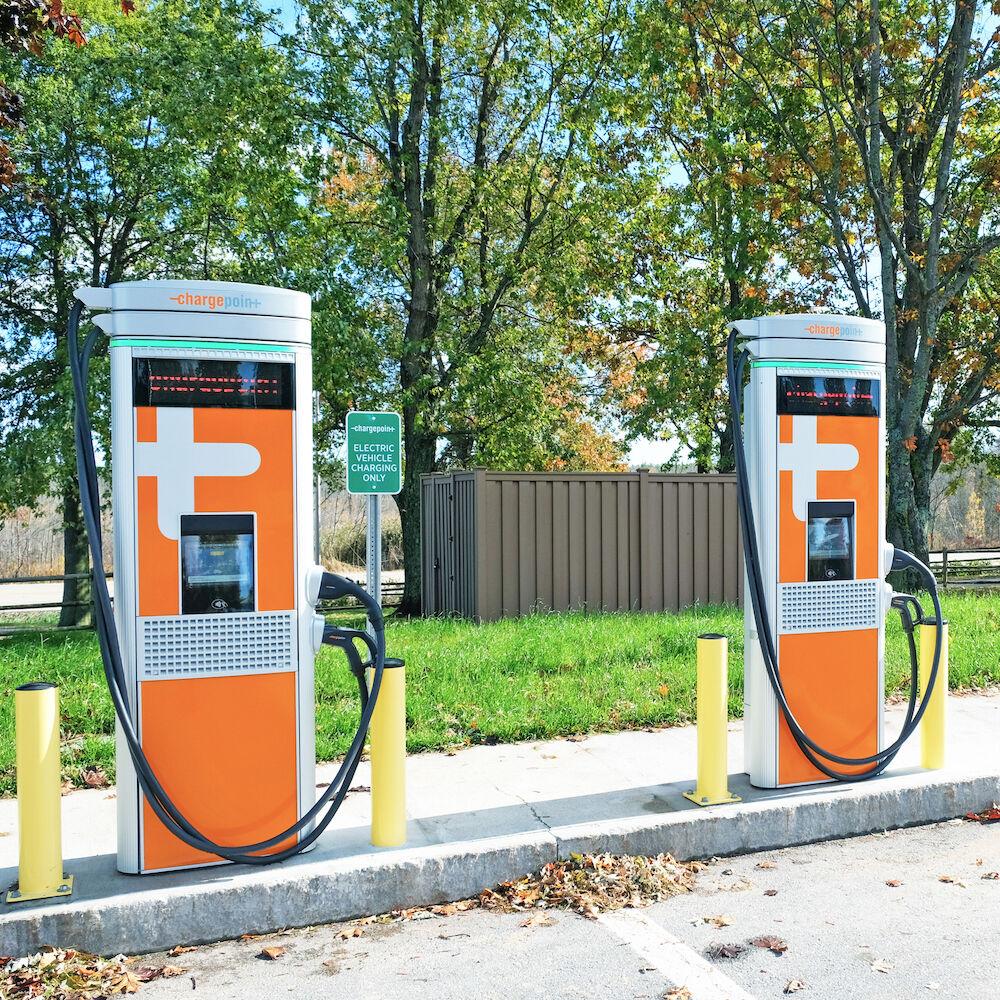
ReVision-installed DC Fast Chargers at the I-95 rest stop in Kennebunk, ME.If we’re taking an occasional long trip, we might have to sit and wait to charge while we’re on the road. But with EVs easily going 150 miles between charges, we’ll probably want to stop for a short bathroom or snack break every few hours anyway. And for those trips where EV charging isn’t realistic, we can always rent or borrow a gas car. Many multi-car households will likely still use a gas car for these kinds of trips for another few years while our charging infrastructure continues to expand. Outside of these rare trips, it’s likely that the range of most EVs will be completely sufficient for our daily driving needs.

So the real question is…

How often do you really drive farther in a day than an EV could take you?

If you need some help, EVNavigation.com is a route planning tool that helps show how far you can get with different EVs. It will even help plan charging stops and account for factors that can affect range like weather conditions or the number of people in the vehicle.

EV charging and equity

SUnsquatch_EV_charger.jpeg

So what if you can’t plug in at home every night? It is not always simple to install a charger or use an existing outlet for those who rent, live in a shared building without dedicated parking, don’t have electricity at the parking lot, or can’t afford to install a charger. Not everybody has easy access to charge at home.

The obvious solution is to make chargers available at work or other public places. But as a recent study pointed out, access to public charging is not equal ­– EV chargers are much more common in white, affluent neighborhoods.

There’s no question that the current benefits of driving electric are not equitable. In next month’s EV Corner, we’ll address some of these problems and explore efforts to help make EVs more equitable, including purchase incentives, charging installations, and electrification of other forms of transportation beyond personal vehicles.

Filed Under: Under the Sun Blog Tagged With: by Chuck Hayward, EV Updates

sidebar

sidebar-alt

Subscribe to newsletter

Which newsletters would you like to receive?

Consent Enjoy the Sun(Required)
Consent(Required)
To provide the requested information, we need to store and process your personal data. By submitting this form, you agree to allow ReVision Energy to store and process your personal data for this purpose. Please see our privacy policy for more information.

  • Merch Store

Sitemap

  • Solutions
    • Homes
    • Commercial
    • Service
  • Our Work
    • Projects
  • About
    • Our People
    • Social Impact
    • Our Locations
    • Careers
  • For Customers
    • Support & Service
    • Be A Solar Champion
  • News & Events
    • Releases
    • Press
    • Under the Sun Blog
    • Events and Webinars
  • Our Partners
  • Resources

Follow Us

General Contact

Contact one of our branches for sales and non-service inquiries, or email us at hello@revisionenergy.com

Service

Need support for your existing system? Contact our Service Team:
Reach us at (207) 747-0076 or open a Support Ticket.

South Portland, ME

(207) 221-6342

Map & Directions 

Montville, ME

(207) 589-4171

Map & Directions 

Brentwood, NH

(603) 679-1777

Map & Directions 

Enfield, NH

(603) 632-1263

Map & Directions 

North Andover, MA

(978) 308-9041

Map & Directions 

Westfield, MA

(413) 884-1000

Map & Directions 

Copyright © 2026 ReVision Energy. All rights reserved.

Privacy Policy | Terms