• Skip to primary navigation
  • Skip to main content
  • Skip to primary sidebar
Revision Logo Revision Logo
Solar Calculator Get Started
Get Started Solar Calculator
  • Solutions
    • Homes
    • Commercial
    • Service
  • Our Work
    • Projects
  • About
    • About
    • Our People
    • Social Impact
    • Our Locations
    • Careers
  • For Customers
    • Support & Service
    • Be A Solar Champion
  • News & Events
    • Releases
    • Press
    • Under the Sun Blog
    • Events and Webinars
  • Our Partners
  • Resources

Give us a call

Maine (207) 221-6342
New Hampshire (603) 632-1263
Massachusetts (978) 308-9041
Contact Us

Climate Voices

A Mindset Shift: Racism’s Root Causes

January 6, 2022 by Ale Moreno

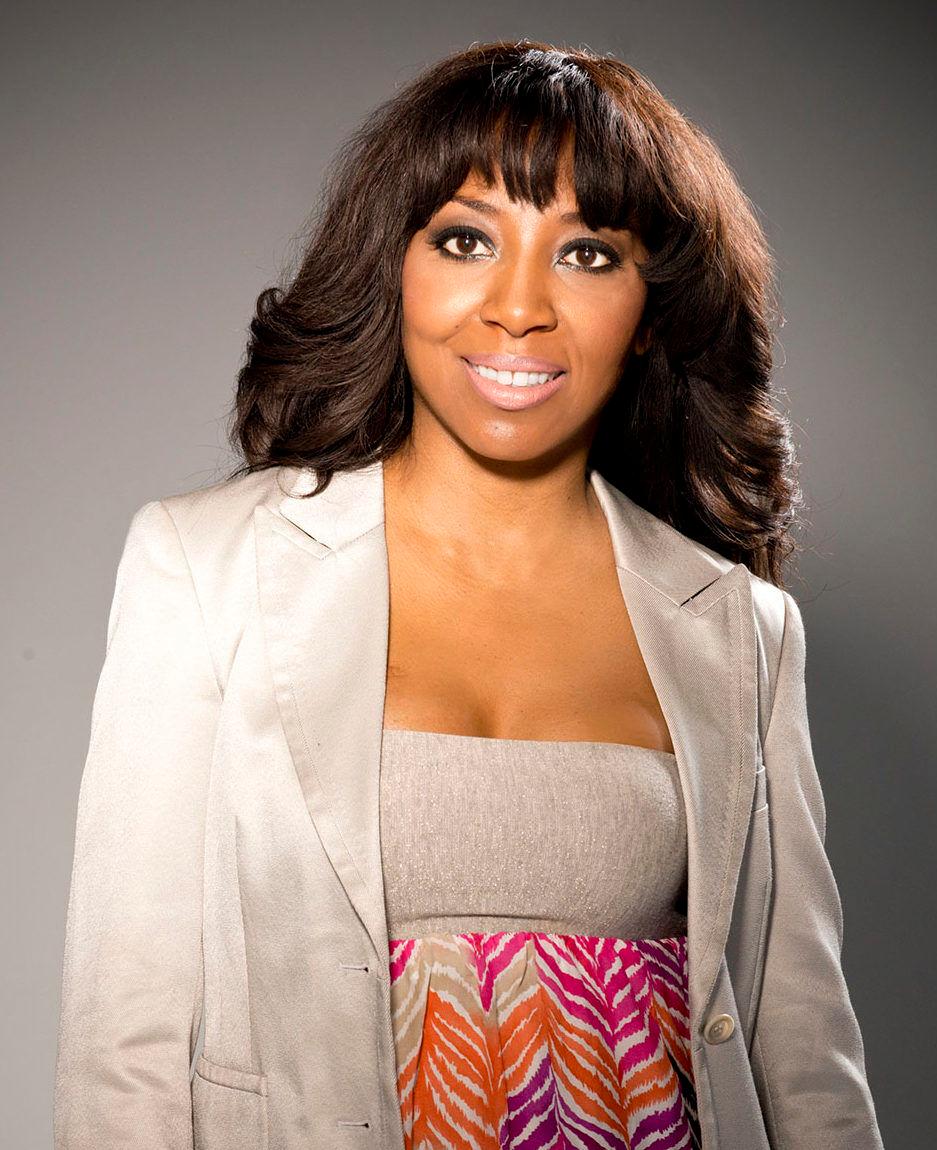
Taylor Terry WordPress E

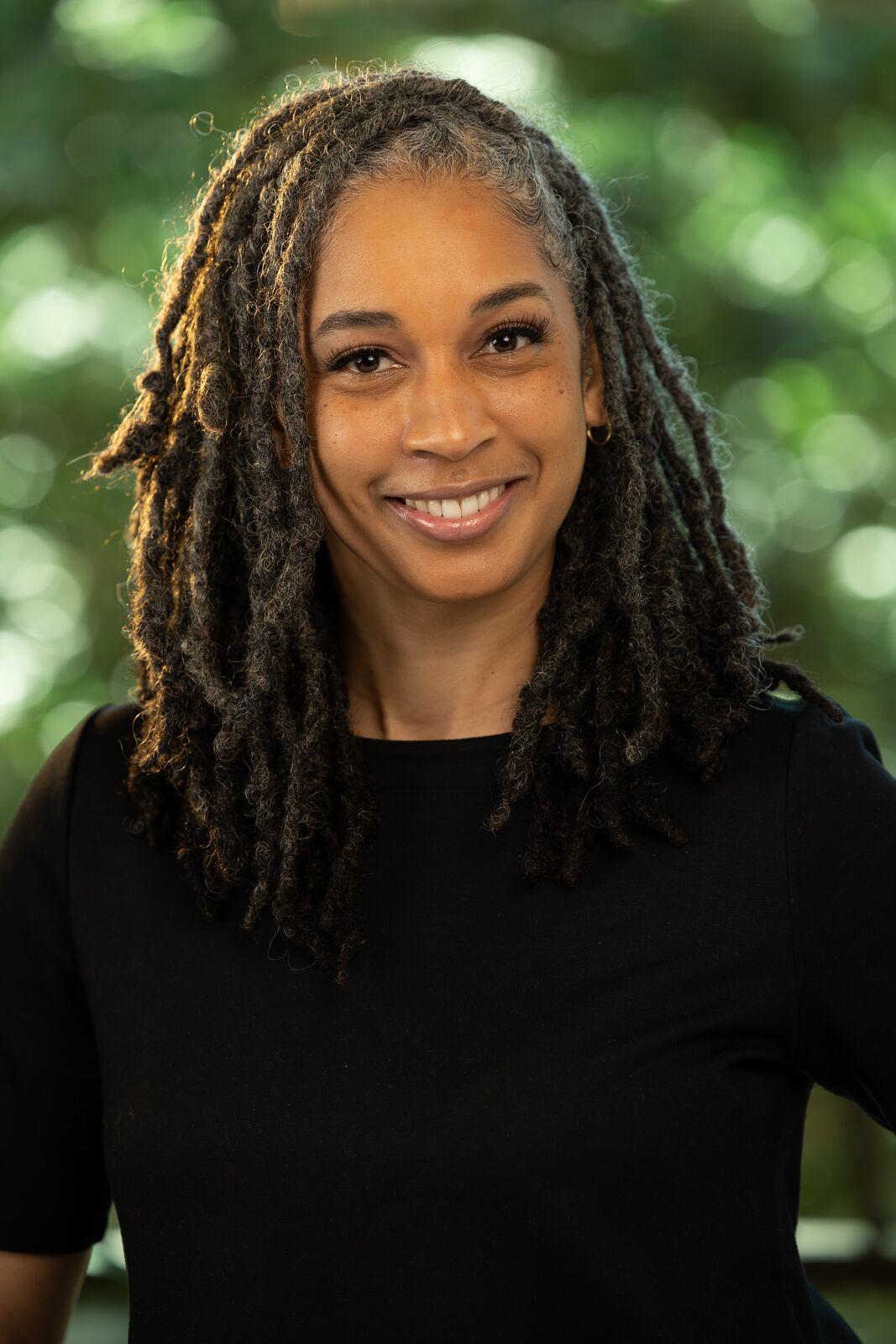
This month’s guest feature is from Dr. Taylor Terry, Life and Business Success Coach for Illume U in Atlanta. A former professor and brand management expert, Dr. Taylor was spurred on to use her gifts to educate and help people heal from the inside out after a series of life situations from which she herself had to heal. Working with people around the country (physically and virtually), Dr. Taylor helps her clients create healthy brains, businesses, and bodies through a variety of modalities. Dr. Taylor loves outdoor sports, hanging by the beach, ziplining, and cooking healthy food.

The Wealth Compound: Shifting Our Mindset

The old political system mindset has impacted racial and climate justice for decades. Some of the fallout has been unintentional yet has proliferated and is reinforced subconsciously. When leadership is intentional about addressing the root cause of injustice, policies and programs can be designed from that space. It is time for a mindset shift into a deeper level of perspective, accountability, and empowerment.

Just as disparities in wealth compound, the effect on disenfranchised groups can resound for centuries, compounding scarcity, lack, and anger on one side and guilt, shame, and resentment on the other. It takes awareness to get to the root cause to understand and dismantle an issue that pits race against race, politician against politician.

Discrimination lives on in patterns that America has never addressed.

These patterns are embedded in all cultures and America gets to shift into a mindset of wholesale accountability to uplift all. Until this mindset is transformed, a shift will be hard to sustain.

A Simple Example: House Paint’s Unintentional Ramifications
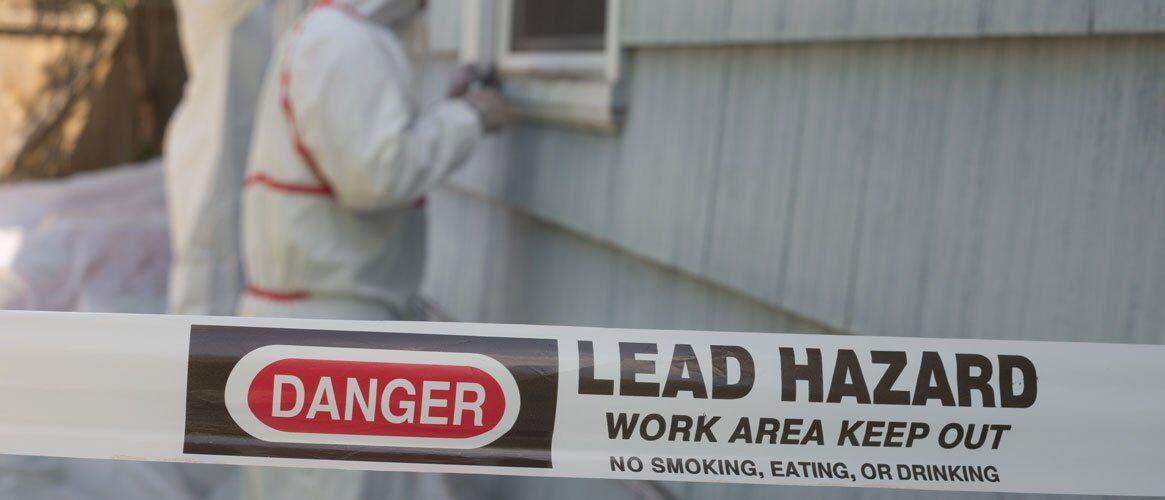
Blood Level Adobestock

Toxic lead paint is removed from a house.

Decades ago paint became an environmental toxin because lead was added to increase durability, resist moisture, and maintain a fresh appearance and color. During that time a lot of blacks lived in drab homes without color, but as blacks moved into colorful homes previously occupied by whites they became exposed to these toxins, and redlining kept them there. This created a reality that reinforced victimization. All involved were rotating around the victim triangle as victims, persecutors, and rescuers at different times.

As blacks became self-empowered and moved up the socioeconomic scale they felt the effects of planned and unplanned racism as they lived in redlined areas or among fumes, dumped tires, chemical spills, or landfills. It was difficult to protect themselves from the daily chemical load. Toxins at home, at work, in the community, and in the food certainly impacts the immune system, made worse by the added emotional trauma. The combination of all these was like a powder keg.

Black Lives Matter Protest, Atlanta, 2020

In these days education may be one ticket to that breaking out of this cycle. Black women are the recipients of more education these days than ever, yet children in our public schools are suffering and could stay in that victim triangle if plans are not made for their futures. According to the White House the black family has thirteen cents for every $1 in wealth held by white families, and CNN states that if current trends persist, it will take upwards of 228 years for blacks to accumulate the same amount of income as whites.

What actions should be taken to close this gap, to help build wealth?

Education helps. Homeownership is critical. Stanford sociologist Jackelyn Hwang looked at Philadelphia and determined that minority communities feel the negative effects of gentrification disproportionately compared to their white counterparts . As whites return to the cities their ancestors left behind, they are welcomed with new green spaces, adaptive reuse of vacant buildings, and toxic waste removal that created new parks and community gardens. Yet the political system seeks to repeal the advances blacks have made. This is where accountability and education can create the ability to self-sustain.
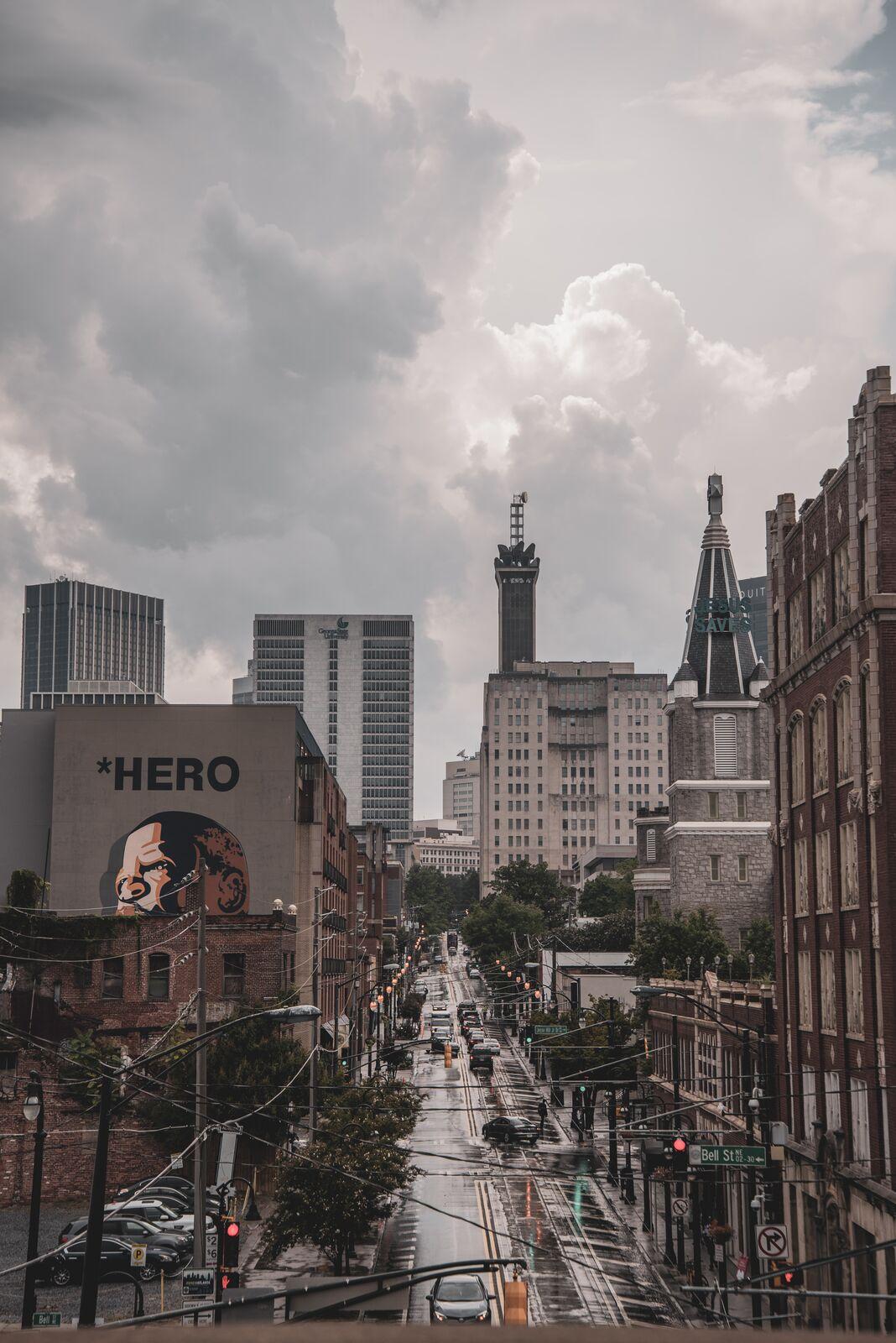
Ronny Sison Y 5mXrdafYo Unsplash

Downtown Atlanta near The Martin Luther King Jr. Center.

My grandparents lived on a farm and produced their own food for many decades. My grandmother lived to almost 104 years of age, spanning multiple generations, due to fresh air, fresh food, and lots of love. All 25 of her great-great grandchildren would have to ascend in order to see a change in the wealth gap.

Prior to my grandmother’s birth, policies were created that would thwart the rights of men and women for centuries to come. The 3/5th compromise, a 1787 agreement between the North and South used to determine taxation and representation, is still energetically alive today when it comes to voting rights. It implies that blacks are 3/5’s of a human being. There is a big price to pay for racism and we have never gotten to the root of the issue to reverse it. When we get to the root of the bias, then we can allow the Justice system to work for us all, and understand how to use any movement to advance issues like racial and climate justice.

Clearly Republicans and Democrats alike have been driven by economics as they decided to unite the country with decisions that would impact lives and our planet for centuries. The political system goes into uproar whenever the status quo is challenged. In Georgia, a state with a high level of income inequality , Senate newcomer Rev. Raphael Warnock of Ebenezer Church (Rev. Martin Luther King Jr’s historic church) created a ruckus after winning his political race. After his victory, the war to repeal civil rights was heightened. Gentrification accelerated. Racial and climate justice became more topical. If we realized that we are all ONE, we could work on other issues!

Nearly two hundred years after the 3/5 Compromise, Martin Luther King Jr. took on poor housing and education as part of his platform and now a half century later, people are still being treated inequitably.
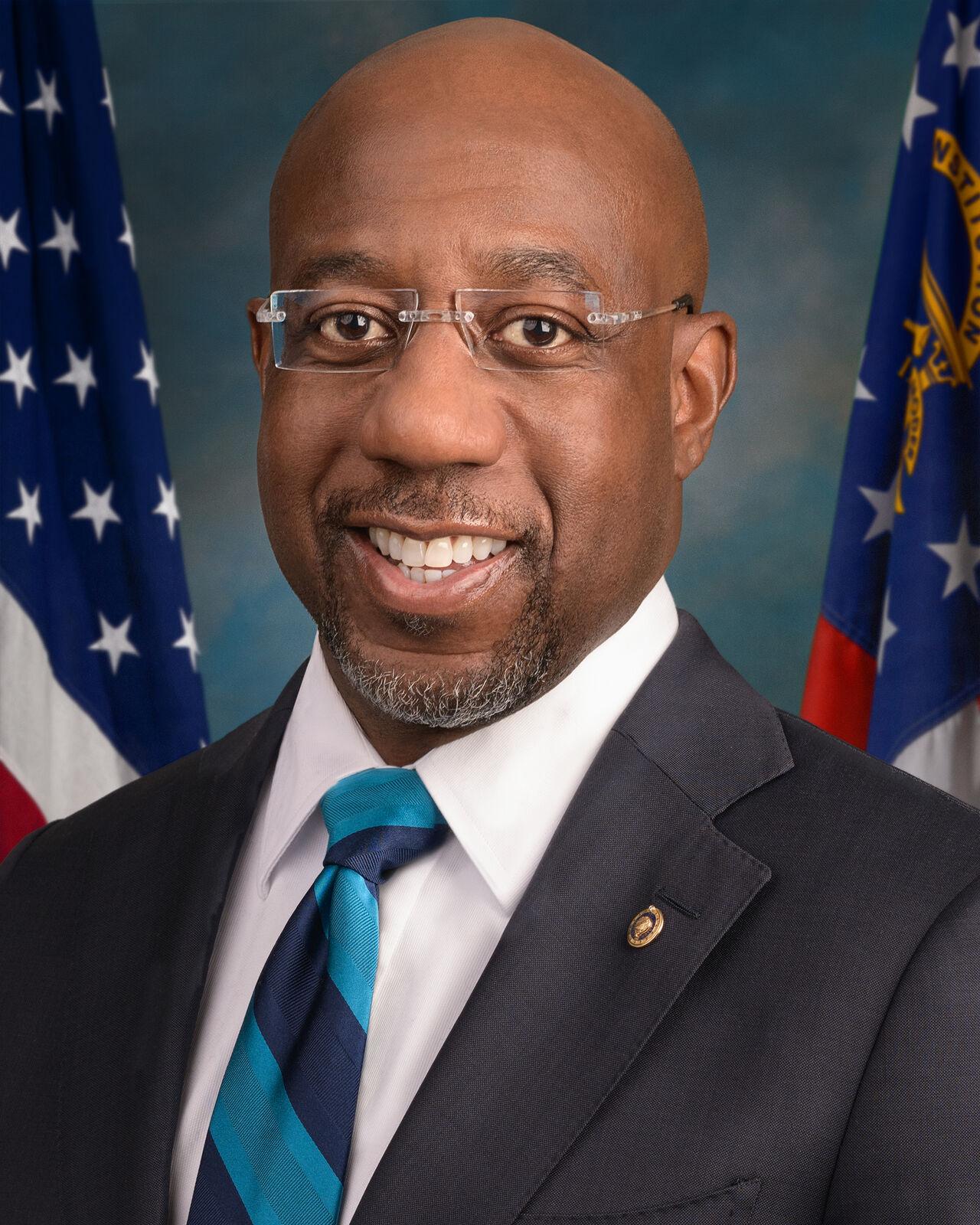
Raphael Warnock Official Photo

Georgia Senator Reverend Raphael Warnock

If we connect the dots and planned for centuries out what could be accomplished? What would happen if Rev. Warnock could influence accountability and education for all? What if real policy change was put in place and an evaluation of outcomes was provided to enhance results? What if the mindset was explored and real conversations were had, all the way through?

What if knowledge was easily accessible and readily available? The minority community owes it to themselves to make themselves, their politicians, educators, parents, ministers, and corporations accountable. They owe it to themselves to get more information to close the wealth gap. For example: the importance of life insurance policies, brokerage share accounts, tax shelters like businesses and non-profits, or even taxes in general. And what if those prevented from making progress did some forward planning for the political dance that seems intent on removing rights? It’s hard to address environmental rights when you’re dealing with civil rights, and it’s necessary now to step into empowerment and accountability.

Diamonds begin as a lump of coal. They become something precious through heat and pressure. It takes an awareness of what is possible in order to shift something from potentially hazardous into something valuable. It takes a plan to get there.

Action Items:

As a coach and consultant I am intent on solving things at the root for sustainable growth. You might be intentional and:

  • Seek awareness of the issue. Look for the root source instead of just the symptoms.
  • Decide what you want and focus on that.
  • Determine who has the power to help get what you want.
  • Determine the plan, which includes objectives, strategies and tactics.

Action steps that can apply to anyone:

  • Read the book Power vs. Force by David Hawkins or Rich Dad, Poor Dad by Robert Kiyosaki to gain more empowerment.
  • Join an organization like Eco-Action whose principal has been involved in this discussion for more than 30 years. https://eco-act.org/
Filed Under: Under the Sun Blog Tagged With: Climate Voices

Examining Climate Justice Through the Pillars of Social Work

November 1, 2021 by Ale Moreno

This month’s guest feature is an insightful and in-depth essay written by Taniko King-Jordan, DSW, LMSW, CDP, who is the former Director of the Bachelor of Social Work Program and Assistant Professor at the University of Indianapolis. Dr. King-Jordan has over 10 years of cross-cultural clinical and community practice experience with adolescents, young adults, and families.

Her research interests include, but are not limited to, emerging foster youth and other at-risk youth of color, equity in leadership, women of color, restorative justice, and a plethora of other social justice implications for vulnerable populations.

Intersectionality of the Climate Crisis and Racial Justice: A Social Worker’s Perspective

The profession of social work has been built on the pillars of social justice. According to the Council on Social Work Education (CSWE), a competency-based framework consisting of best practices includes nine competencies:

  1. Demonstrate Ethical and Professional Behavior
  2. Engage Diversity and Difference in Practice
  3. Advance Human Rights and Social, Economic, and Environmental Justice
  4. Engage in Practice-Informed Research and Research-Informed Practice
  5. Engage in Policy Practice
  6. Engage with Individuals, Families, Groups, Organizations, and Communities
  7. Assess Individuals, Families, Groups, Organizations, and Communities
  8. Intervene with Individuals, Families, Groups, Organizations, and Communities
  9. Evaluate Practice with Individuals, Families, Groups, Organizations, and Communities (CSWE, 2015)

These nine competencies are the guidelines governing the practices of the social work profession.

As such, the profession of social work seeks to examine the totality of a person, by not only acknowledging them from a person-in-environment context, but also assessing the role the environment plays in disseminating equitable outcomes. The condition of social inequity has meant that the quality of life is predicated upon race as a social construct with no biological relevance, and socio-economic sustainability (DiAngelo, 2018).

Consequently, this has also meant these hierarchical benefits have the capacity to determine the neighborhoods in which Black and Indigenous People of Color (BIPOC) can reside, and the unequivocal consumption of renewable resources. These endeavors are commonly observed in public education, health care, housing, the right to vote, the use of public facilities, court services and fair trials, and policy development. For instance, the idea of reciprocity seemingly has a negative connotation to the dominant culture and their level of fear only reinforces racial comfort based on persistent behaviors. Being uncomfortable is not prioritized and their level of entitlement increases in order to maintain white advancement.

Environmental Justice and BIPOC Neighborhoods

This has placed an emphasis on understanding environmental justice from the lens of BIPOC in order to understand the disproportionate impacts of anti-racism and exclusion for communities of color and the intersections of their identity formation. Southbank Centre (2016) suggests that in order to truly embrace the multiple identities of an individual, you must also reimagine the space and structures that mold those experiences. Often this cannot occur in silos. The commitment to embracing diversity and difference has shifted based on one’s zip code allocation. Unfortunately, this has fundamentally altered the collective responsibilities that persist across the different levels of the ecosystem.

These structural barriers must be dismantled in order to integrate effective practices that promote social, political, and environmental justice. We have all witnessed grave concerns and foreseeable negative outcomes for BIPOC. This is evident in ongoing police brutality and its connectivity to environmental justice, or lack thereof. We must acknowledge systemic and structural violence and work to dismantle it from the root in order to integrate effective practices that promote social, political, and environmental justice.

The CSWE has operationalized the code of ethics specific to the National Association of Social Work’s commitment to service, social justice, dignity and worth of a person, importance of human relationships, integrity and competence (NASW, 2020).

These ethical principles are central to the impact work we are empowered to see through as helping professionals. Therefore, we must not cope within a broken structure that maintains environmental fallacies of injustice, but rather shift the perspective by developing thought partners to critically analyze, evaluate, and measure sustainable outcomes that attest to mental and physical wellness, and cultural needs; apply these findings in order to improve and practice environmental justice across the levels of the ecosystem; recognize the types of environmental settings and evaluate them as an effort to reduce harm and establish effective practices; assess for practice, resources, and process vulnerabilities in order to operationalize best practices in both natural and built environmental settings (King-Jordan & Gill, 2021; CSWE, 2020).

The pillars of justice are critical to improving the social conditions of BIPOC

Current limitations impede the viability and protections of the environment, which surrounds us, and in order to foster environmental change will necessitate a call to action that purports the advancement of inclusion, diversity, difference, and culture. Undoubtedly, honest and critical self-reflection and action will move the needle towards improving the environmental conditions for BIPOC. However, once you become nothing in someone’s eyes you become invisible (The Breakfast Club Power, 2016). Across the spectrum BIPOC Matter! The ideology of a colorblind society is the epitome of violence that only perpetuates racism, white supremacy, privilege, and power. Additionally, the colorblinded approach, whether well intended or unconscious, exhibits a failure to acknowledge differences; hence making it more challenging to address unconscious bias on the premise of race.

References:
Council on Social Work Education. (2020). Curricular Guide for Environmental Justice.
Retrieved from:

DiAngelo, R. (2018). White Fragility: Why is it so hard for white people to talk about racism?. Boston, MA: Beacon Press. National Association of Social Workers. (2017). Code of ethic of the National

Association of social workers. https://www.socialworkers.org/About/Ethics/Code-of-Ethics/Code-of-Ethics-English

King-Jordan, T, & Gill, K. (Summer 2021). Dismantling privilege and white supremacy in social work education. Advances in Social Work, 21(2/3). DOI: 10.18060/24088

The Breakfast Club Power [Video]. Dick Gregory Full Interview. (March 28, 2016). Dick Gregory [Video]. YouTube https://www.youtube.com/watch?v=cDYYPF7LGuE

Southbank Centre [Video]. Kimberle’ Crenshaw-on Intersectionality-Keynote WOW 2016. (March 14, 2016). Kimberle’ Crenshaw-on Intersectionality [Video]. YouTube https://www.youtube.com/watch?v=-DW4HLgYPlA

Filed Under: Under the Sun Blog Tagged With: Climate Voices

From Mississippi to Maine & Back Again

September 28, 2021 by Ale Moreno

Andriana Bouldin

This month’s guest blog post comes from Andriana Bouldin. A former South Portland resident and Mississippi native, Andriana enjoys running, cooking, and tending to her plant babies. She is a community advocate for equality and justice and a member of Alpha Kappa Alpha Sorority, Inc., Boys and Girls Clubs of Great Houston-Young Professionals, Interfaith Ministries for Greater Houston Meals on Wheels, NAACP Houston Branch, and Harris County Election Clerk.

Mississippi vs. Maine

M-I crooked letter Crooked letter I Crooked letter Crooked letter I Humpback humpback I Mississippi!

For many, the word Mississippi is a reminder of a rhyme children tenderly recite on the playground while jumping rope. Marred by its economic inequalities, racial injustices, and educational irregularities, the 20th state is the quintessential reminder of America’s unbecoming truth of inequality. The picture often painted is one of a grim, dark past that we dare not speak of – segregation, lynching, sharecropping, and Jim Crow laws. By no means am I able to share in the first-hand sentiments of the civil rights era or the events leading up to that particular movement, but I do know the stories as told by my parents, who were sharecroppers and grandchildren of slaves. From my vantage point, what my social studies and Mississippi history courses illuminated, Mississippi 2021 sits at the heels of Mississippi 1964.

Canton, Mississippi (photo credit: James Case, WikiCommons)

Present day Mississippi appears radically different than the home state that reared me. I vividly recall hot, sweaty summer days that produced a thirst that could only be quenched by homegrown, sun ripened watermelon, or a honeysuckle bush found alongside the pathway home. For an underprivileged black girl growing up in Mississippi, my experience can solely be described as a mishmash of stories of survival and big mama’s hoecakes wrapped in the blues of those whose only hope was to one day be free.

If we are honest with ourselves, we can fully comprehend that the injustices of the 1960s have not vanished and many black, rural citizens remain captive to the inequalities and disparities that keep them in bondage to a society that lacks compassion for all humans.

Today, the economic disparities, racial injustices, and educational imbalances have simply reared their heads in the form of food scarcity, illiteracy, and poverty in a modern day America. Although the terminology may have changed, the impact and bondage faced by underprivileged communities in many of our rural black and brown areas remain more prominent than ever.

From Mississippi to Maine, and Back Again.

Mcdougalorchards

McDougal Orchard, Springdale, ME (photo credit: McDougal Orchard)

After spending several years in Maine, I arrived back in Canton, Mississippi no longer noticing the church deacons peddling the home grown produce on the roadside. Nor did I see the women of the community sitting on the front porch rocking to the beat of town gossip, while shelling peas with the ladies of Zion. The present day presented a community engulfed with corner stores, abandoned buildings, fast-food restaurants, obesity, hopelessness, and folks who shared no connection to the earth. In my opinion, this is to be expected from a race of individuals who have not been afforded access to the resources I encountered in Maine. In their respective seasons, Maine presented bountiful fields of blueberries and apples orchards. Throughout the state were notifications of recycling programs, organically produced goods, naturally flowing spring water, and an environment that cultivated oneness and pride in protecting the planet we call home. One the other hand, Canton now seemed like the land of the left behind. A place where education was still a luxury, so there was no wonder why the citizens showed little to no interest in the effects of carbon emissions, healthy eating habits, or preserving Earth for generations to come. The message in Canton consisted of local billboards which promoted supersized fries, carbonated beverages, and fast loans. How hard it must be for a man to protect and preserve a world that has beaten him at every turn of his life; to want to live a life although his current life does not feel like living at all.

It’s no secret how we arrived at this point.

Mississippi is home to the highest percentage of African Americans of any state in the country. In America, that translates to a forgotten people.

Like many rural cities in the south, Canton has found itself simply left behind in comparison to other booming municipalities. What was once a prosperous area is now a deserted city with little to show for the agricultural staple it used to be. There are very few programs that emphasize the importance of promoting a holistic lifestyle, recycling, water conversation, or sustainable living. The truth of the matter is that our primary issue is not environmental consciousness; we have an issue with privilege, equality, and humanity. These resources are not offered or promoted in rural or underdeveloped areas as the people within those areas are not prioritized or deemed key stakeholders in the human race. Let’s focus on the real issue – America yet enslaves many races and classes of individuals under the pretense of making our nation great. The difference this time is that our entire planet will suffer.

Filed Under: Under the Sun Blog Tagged With: by Jill McLaughlin, Climate Voices

Tribal Sovereignty in the Dawnland

August 5, 2021 by Ale Moreno

Mauliandana

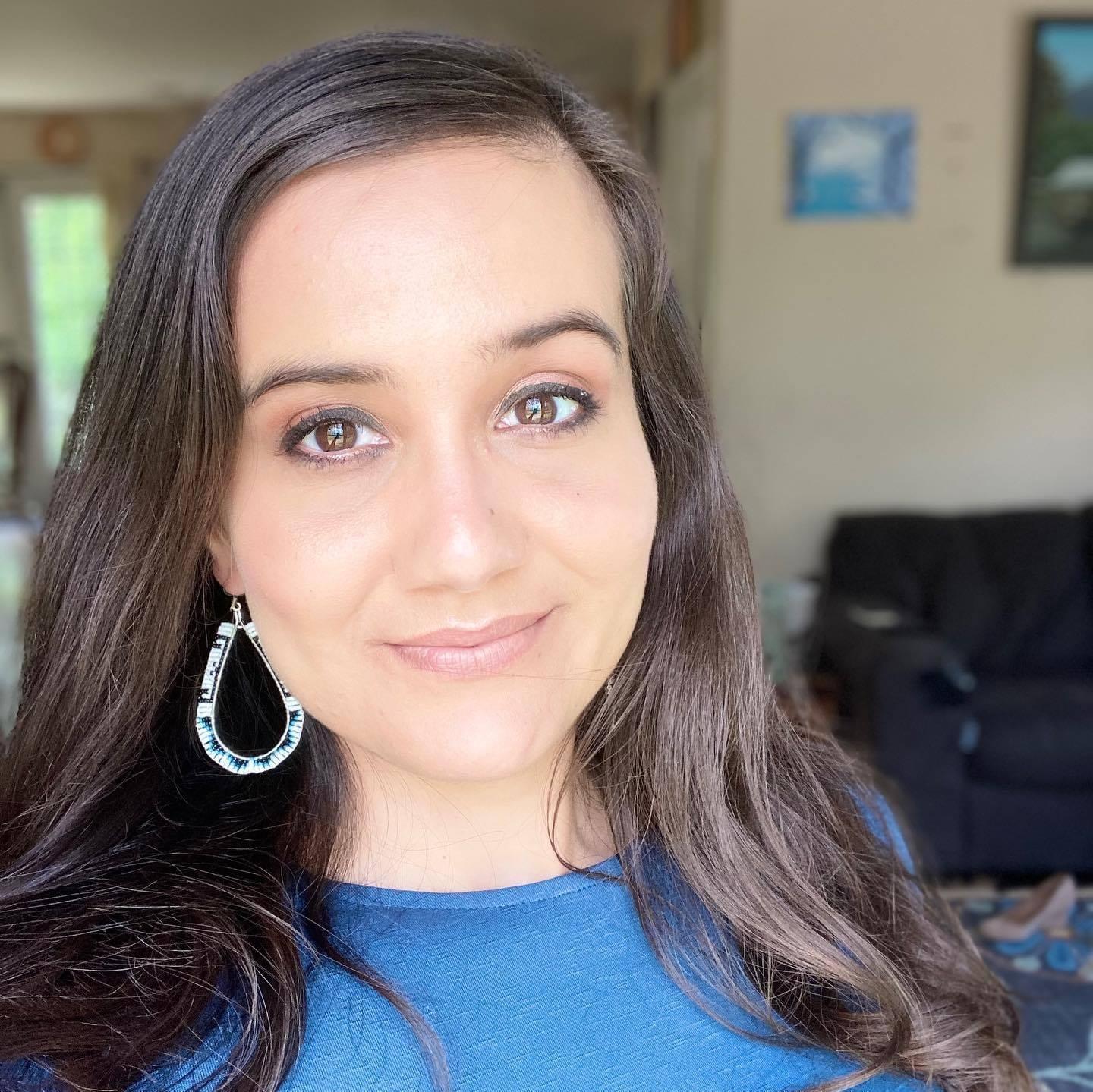
This month’s contributor is Ambassador Maulian Dana, who was appointed by Penobscot Nation Chief Kirk Francis in September 2017. As Ambassador, Maulian is responsible to act as a representative of the Penobscot Nation and to serve as a liaison for the Nation at the local, state and federal levels of government to educate and advocate for policy and laws that impact and protect the Penobscot Nation’s sovereignty, culture, natural resources and the general welfare of the Penobscot people. Prior to serving as Ambassador, Maulian served as an elected member of the Penobscot Tribal Council. Ambassador Dana grew up on Indian Island within the Penobscot Nation’s Reservation. She graduated from the University of Maine in Orono with a degree in political science.

In 2017 I received one of the greatest honors of my life when Chief Kirk Francis appointed me as the first Tribal Ambassador for the Penobscot Nation. This position exists because in 2015 we voted to remove our representative to the legislature due to the relationship not serving us in a positive and equitable way. Being in this role has excited and energized me but there is also a great deal of pressure because I am the first one to do it. I know I won’t always get it right, but I also know I am guided by a pure love of our homeland, our people, and a commitment to make this state more just for my children and all children.

Barrydana

The author’s father, Barry Dana. Photo courtesy Maulian Dana.

As a teenager I learned a lot about what Indigenous people are up against. I studied our ancestors and the things that made them maintain our tribal nations while suffering the unthinkable acts of genocide that are the untold story of the colonization of America. Untold by history books, but branded in the hearts, minds, and soul memory of the tribal citizens in Maine and all of the United States and Canada.

In the early 2000s I witnessed first-hand the power and control that the paper mill industry and state of Maine exercised freely over the Penobscot and Passamaquoddy tribes. My father, Barry Dana, was serving as our Chief at the time and I accompanied him to court one day in Portland. The Penobscot and Passamaquoddy Chiefs were sentenced to jail that day for not turning over internal tribal documents to three paper mills who have polluted our river and our people for generations. They were also fined 1,000 dollars per day that these materials were not produced. The tribes were backed into a corner and decided together to turn these documents over. That felt like losing to me but it also felt like we fought very hard to protect what is sacred to us.

Donnaloring

The author’s great-aunt, Donna Loring. Photo courtesy Maulian Dana.

I also saw positive change happen. My Great Aunt Donna Loring was the tribe’s representative to the Maine legislature in 2001 and she invited me to testify in Augusta on a bill that would ban the racial slur “s*uaw” from Maine placenames. There was powerful, heartbreaking, resilient testimony from Wabanaki women who described the power in a word when the word is hate speech used in hate crimes. That bill was passed into law. That felt like winning to me, like we took back something sacred.

Being able to defend and hold onto things that are sacred is the most important thing. When things went well or when they didn’t.

Both of these experiences showed me what has sustained Indigenous people in the land now called Maine. The Wabanaki, or people of the Dawnland, is the name of the confederacy containing the Maliseet, Micmac, Passamaquoddy, Penobscot, and Abenaki. The first four tribes reside in five reservation communities in Maine that are sovereign tribal nations. The Abenaki have ancestral homeland in Maine with recognition in Canada. We span many geographic regions, we have unique languages and histories, but we unite around many cultural practices as well as policy matters.

LD 1626: Restoring Wabanaki Tribal Sovereignty

We are currently seeking restoration of inherent tribal sovereignty that was undermined and diminished by the Maine Indian Land Claims Settlement and Implementing Acts of 1980. To understand all of the tension and litigation surrounding the tribal state relationship we can look to the provisions of this lawsuit settlement that have been used at the backstop of Indian law for the last 4 decades. The claims to land were settled, but the act goes further and sets up jurisdictional parameters that favor state control and also prohibits federal Indian law from applying to the tribes in Maine. The combination of these two factors has resulted in a harmful grey area; the tribes do not believe that we gave up sovereignty or our rights as federally recognized tribes, yet the state has interpreted the document to mean that the tribes are municipalities, wards of the state, and cannot act like sovereign nations. This inhibits functionality in this relationship and we are not able to be self-determined and enjoy government to government interaction in an effective way like other tribes in the United States. We also are not able to have access to any of the 150+ laws passed by Congress since 1980 that would benefit tribes.

We have made progress through diplomacy and collaboration with state government even after generations of mistrust and hostility. We have banned Indian mascot use in Maine schools, so my children won’t have to endure this harmful practice when they go to high school. We have corrected the historical narrative by celebrating Indigenous Peoples Day instead of glorifying genocide by maintaining “Columbus Day”. Now we need to dig deeper and get to the heart of

Chief Kirk Francis and Maulian Dana in 2017. Photo courtesy Maulian Dana.

injustice and inequity. Upcoming legislation, LD 1626, seeks to put into law the recommendations of a task force convened by the state, with all Wabanaki Chiefs as sitting members along with lawmakers and representatives from the Attorney General and Governor’s offices. The task force recommended amendments to the 1980 act to restore tribal sovereignty and self-determination through jurisdictional changes and incorporation of federal Indian law. These changes would put systems into place that are working for all of the other tribes around the country.

It is not about special rights, it is about equal rights.

When the tribes have increased opportunities and the ability to better protect our most sacred resources, it is good for all of Maine.

I am humbled and honored each day I get to serve as Penobscot Nation Tribal Ambassador. My teenage years witnessing the hard work of my family and my people impressed upon me both the struggles and the possibilities. I stand on the shoulders of my ancestors and I honor their plight by using my voice. From the wise elders who held onto our ways and taught them to others, to the babies ripped from native families by the Catholic Church or government. I come from trauma, but I also come from a deep and triumphant strength. America and Canada are having a reckoning when it comes to the historical wounds they inflicted on my people. It is not ancient history. It is something we have always known and something they can no longer ignore. The time has come in Maine to repair the damage and heal together, and this can only be done if the tribes are seen and treated as equal sovereigns.

To stay up to date with the Wabanaki Alliance’s efforts, please follow them on Facebook.

Filed Under: Under the Sun Blog Tagged With: by Jill McLaughlin, Climate Voices

Deforestation and Indigenous Cultures

July 12, 2021 by Ale Moreno

This month’s contributor is Norliyana Menes. Norliyana is passionate about many things – minority rights, inequality, Bollywood, food, the list goes on – all of which are shaped by her experiences growing up and shuttling between New England and Southeast Asia. She enjoys good discussions and passionate debates, but only when everyone involved has good intentions and open minds. In her free time, Norliyana likes to travel, experiment with cooking, and spend time with her adopted cat.

Thoughts of a Third-Culture Child: Our Indigenous People and Our Rainforests

As I sit at my computer in my air-conditioned apartment, my concern currently being my overweight cat messing up the throw pillows on my new rug, I know that I am in a place of privilege. Specifically, the privilege of living in a North nation with a relatively good job. I don’t often think about it. However, as someone who grew up in a developing nation, it is easy for me to remember times when I was not as privileged. I am someone who lives in a Western nation but understands the other side of the global coin.

Palm Oil Plantation

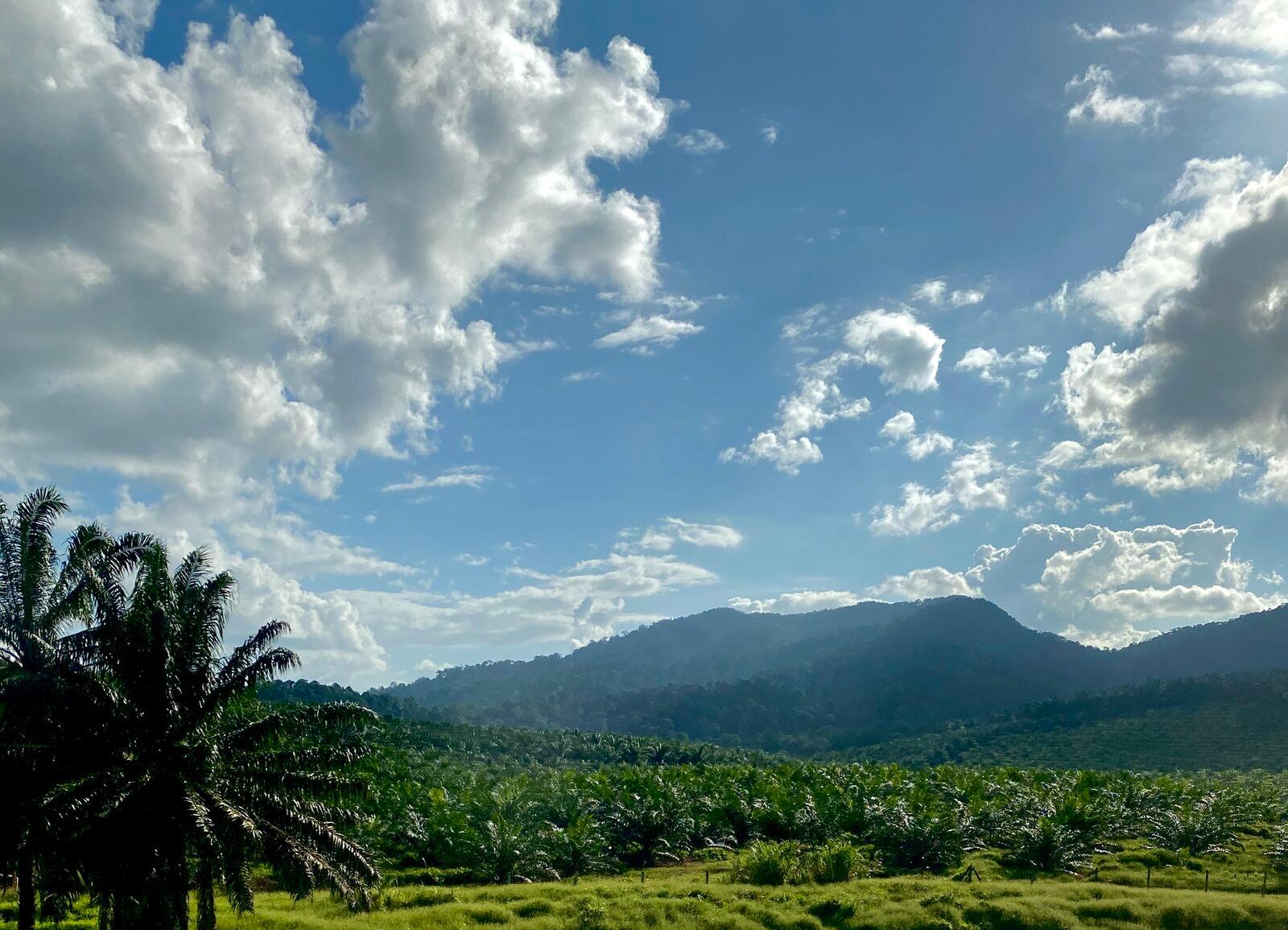
Old Plantation, Malaysia. Photo: Norliyana Menes

I grew up in a little village in Malaysia called Kampung Gubang Gajah surrounded by multitudes of the lush rainforests that make up the country. I spent most of my childhood in the village, Singapore, and Maine, so I got the unique experience of understanding what life was like in different places. My home in Malaysia was built by my grandfather, in accordance with traditional lower-class Malay architecture; it was small, made of wood and sheet metal roofing.

My family is descended from the Orang Asli, the Indigenous population of Malaysia, and part of my identity is in understanding and supporting Native populations. The rainforest was my home, and I loved to explore it. The air is moist and the world is so green. I grew up scaling mangosteen trees and chasing after monkeys. We didn’t have running hot water, we used the traditional squat toilets for most of my youth, and I wasn’t introduced to technology for a long time. I loved my childhood, scorpions in my pants, frogs in my shoes, and all.

I want to discuss the guilt and hypocrisy I feel, as an individual who depended on the rainforest in my youth but who now lives as an adult in a Western capitalist economy.

As a child I didn’t understand what was happening to my beloved rainforest. As an adult, with degrees in criminology and anthropology, working towards my Master’s in criminology, I have only begun to comprehend what is happening to both my cherished jungle and the wider world. In addition to my experiences in Malaysia, I have had amazing opportunities to work with Indigenous educators in the States, and the discussion always ties back to climate change.

The jungle that I knew and loved is much different for my nephews and nieces, but the rainforest is not the only victim of the climate crisis. Indigenous populations in the USA and their lands are consistently put in danger due to toxic dumping and ethically incomprehensible agreements to store radioactive materials on their land. Native populations in Alaska and Canada are dealing with melting ice and rising sea levels threatening their homes. Worldwide, traditional ecological knowledge and other Indigenous practices are being slowly introduced as countries work to save the environment.

OldPlantation

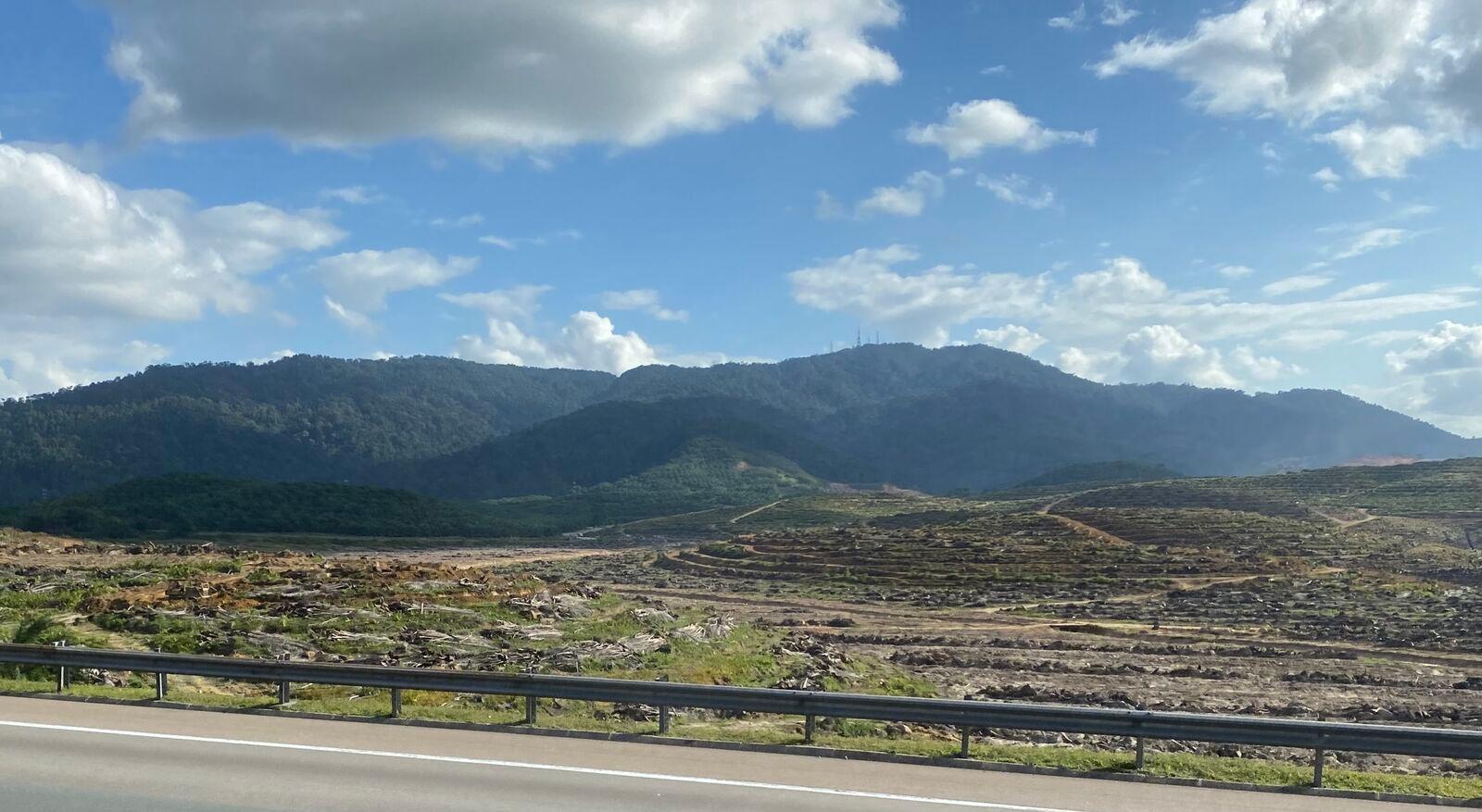
Palm Oil Plantation, Malaysia. Photo: Norliyana Menes

Malaysia and other rain-forested areas like the Amazon are often referred to as the “lungs of the Earth,” but deforestation has created massive problems. In Malaysia, rubber and palm oil plantations grow in vast amounts as corporations rip down the rainforest to make room for more. Entire sections of land behind my home, hundreds of acres, were destroyed to make room for rubber plantations. While in theory it may sound great to plant trees in place of trees, this practice actually removes the indigenous plants from the area, destroying habitats and creating issues around erosion and biodiversity. This land is often taken from the local peoples deceitfully, with corporations using English or difficult jargon on the paperwork.

Like Malaysia, the Amazon is also dealing with issues involving droughts, fires, and late rainfall. I can’t even begin to go into the use of pesticides and chemicals outlawed in the west that corporations dump upon underdeveloped nations to try to still squeeze out some profit. These issues plaguing the Indigenous peoples and the world’s biodiversity are essential in the conversation on climate change.

But the truth is my guilt feels selfish.

I don’t live the most sustainable life. I’m not vegan or vegetarian, I purchase clothes through fast fashion, and I use single-use plastic bags at grocery stores. As I sit here with my air conditioning on typing about the issues I know are happening around the world, I am doing little to help. On the other hand, as someone going into the field of criminology, I know that resolving climate change is not an individual fight. Fundamentally, change will be found through the abolition of corporate monopoly. Capitalism and corporate greed are large factors in the climate crisis. So is my guilt valid? Knowing that companies I purchase from are contributing to the devastation of my beloved home: I would say yes. It is a privilege to be able to live sustainably, to go vegan, to not shop fast fashion. While I am trying, I have not completed my journey to sustainability. But I will continue to try, and I implore you, reader, to try as well.

Educate yourself, and try your best with that education to educate others. I am reminded whenever I return to my village just how much the rainforest has changed. Once flourishing greenery has been replaced by dirt so red it seems as though the Earth itself is bleeding. My grandfather was a very strong man, he was gentle and kind, but also the manliest of men in some of the most traditionally toxic ways. He never cried for as long as I knew him, but he would certainly shed a tear in secret if he saw his home now.

Filed Under: Under the Sun Blog Tagged With: by Jill McLaughlin, Climate Voices

Nature, Harlem, and COVID-19

June 8, 2021 by Ale Moreno

This month’s contributor is Reverend Dr. Malcolm J. Byrd, Senior Pastor at the Mother African Methodist Episcopal Zion Church Harlem, in the City of New York. Having been appointed by the Board of Bishops of the A.M.E. Zion Church as Zion’s second Chief of Protocol in 50 years, Rev. Dr. Malcolm J. Byrd is responsible for establishing order and custom for all national services and ceremonies of the A.M.E. Zion Church. Dr. Byrd has organized and led many efforts and public demonstrations to draw attention to the plight of marginalized and disinherited people. He is a founding member of the 100 Coalition and has served in various capacities in local and national leadership. He has shared panels and pulpits with internationally renowned luminaries as Archbishop Desmond Tutu, Archbishop Gerasimos II, Rev. Dr. Calvin Butts, Dr. Cornel West, Dr. Jeremiah Wright, Rev. Jesse Jackson, Rev. Amos C. Brown, Rev. Cecil Williams, Speaker of the House Nancy Pelosi, and others. Dr. Byrd lives in the Village of Harlem, New York.

The Environment, COVID-19, and the Black Community

“If we must die, let it not be like hogs.” – Claude McKay

Reverend Dr. Malcolm J. Byrd

The most liberal and benevolent of the many and various gifts and endowments of our creator is that of nature. To behold a calm and cool zephyr on a warm day is indeed a benefit that can be enjoyed by every pavement-level creature, and those of the avian kind who split the air with their wings. Nature brings to our longings and strivings what can’t be purchased, regardless of one’s unlimited credit or cash reserves. Nature’s gift is equally bestowed upon every creature, regardless of political party affiliation or socio-economic status. Nature’s most intrinsic quality is that it is designed for enjoyment by all. As moved as we may be by the flowery language that sounds that truth, access to nature’s benefits is severely limited based on access, which is usually divided along the color line.

William Edward Burghardt Du Bois, a legendary intellectual and race leader of African American extraction once noted, as he looked beyond Victorian era sensibilities: “The problem of the 20th century is the problem of the color line.”

Nearly 120 years after those words were first spoken, they still live more radiant than ever.

I live in the midst of concrete and steel. I am a city dweller. Harlem is my home. I live and work within the boundary of the greatest Black metropolis in this nation, and perhaps even the world. The literary, intellectual, and artistic gifts that Harlem has bestowed upon an ungrateful nation is epic. With so much to our credit, most who live here can’t afford the best of nature’s bounty at the large and impressive Whole Foods Market on 125th Street. The newer trees that have been planted during the height of Stop and Frisk policing are hardly even noticed; we would love to notice the trees, but the constant marginalization gets in the way. Those trees are watered by tears produced by seemingly perpetual suffering. How splendid would it be if our view of nature wasn’t obstructed by racism and classism.

We’ve died too! COVID-19 in the Harlem Community was much like a tree dropping all of her leaves in autumn, except our people didn’t come back. They died! They will never again play in the street before an open fire hydrant on a hot summer day with their grandchildren. Never again to jog within Marcus Garvey Park. They were gone. Their funeral processions through the Harlem streets in the midst of a pandemic oft left the hearse to travel alone, meandering through a concrete sepulcher, the ghetto. They left this world while the trash on the streets gave homage in the wind as the hearse drove past.

Yes, the trash. There is a lot of it. It’s everywhere. We aren’t void of manners nor are we aloof concerning the need to preserve the integrity of the planet, but unlike more affluent neighborhoods in New York City, Central Harlem is experiencing an intentional deficit in city trash cans in our neighborhood. Many were removed over a year ago by city official for fear that they would be used as riot fodder. We didn’t riot in Harlem following the tragic murder of George Floyd, (and that is a worthwhile Google fact) but still we are left without trash cans. Where does trash go without a receptacle? It becomes an urban garden for those who have known nothing else but bondage.

If we must die, can flowers attend our resting place rather than rubbish? One day our eyes will be relieved of it. The burden of being so close to nature’s beauty yet miles from it socially is an awful load to carry.

I still believe in the necessity of being a good steward of the earth.

It does not belong to us but its usage and care has been lent to us until our time upon “terra firma” has expired. I’ll do a better job recognizing that tree next time. Though I still can’t afford Whole Foods, as is the case of most Harlem residents, I’ll still labor and work until a child in the St. Nicholas Housing Projects can know the taste of an organic vegetable. I’ll keep the midnight oil burning until geology immersion programs include Harlem youth as zealously as those who view football and basketball as the only worthwhile ventures for people of African descent.

The next time a zephyr blows down West 137th Street, I’ll pause, take it in and be thankful but not fully satisfied until all of my fellow citizens here can do the same, without apology or explanation for taking the time to enjoy what was ours to have all along, the peace that nature can bring.

Filed Under: Under the Sun Blog Tagged With: by Jill McLaughlin, Climate Voices

Whiteness and the Climate Crisis

May 5, 2021 by Ale Moreno

This month’s contributor is Samuel James. Samuel James is a world-touring musician and storyteller. His long-running column Racisms is featured monthly in Mainer and he is the staff writer for blackgirlinmaine.com . Learn more at www.therealsamueljames.com .

This month’s contributor, Samuel James. Photo provided by Samuel James.

As Americans, our main difficulty when dealing with the climate crisis is the act of facing our demons. Not just our past wrongs, but our current tack as well. Oftentimes our best attempt at this is a sort of public self-flagellation without any actual course correction. For example, in 1994 President Bill Clinton signed Executive Order 12,898, which reads: “Its purpose is to focus federal attention on the environmental and human health effects of federal actions on minority and low-income populations with the goal of achieving environmental protection for all communities.”

That sounds like the right idea, but as stated by the United States Commission on Civil Rights (USCCR), “Executive Order 12,898 does not create legally enforceable rights or obligations.”

Since then Presidents Bush, Obama, and most recently Biden have all made similar gestures toward environmental justice and yet, as former Director of the Office of Environmental Justice at the EPA Barry Hill puts it: “The fact is that minority and/or low-income individuals, communities and populations continue to be disproportionately exposed to environmental harms and risks as compared to others.”

Why can’t we seem to get this right? Obviously there is a long list of corporations, lobbyists, and wealthy individuals that have access and influence beyond the scope of the average individual, communities, and populations. But there’s something else. There’s something underneath all that money and access and influence, giving permission to bad actors, distracting the greater population and prohibiting America from facing its demons.

That thing is…whiteness.

Does that seem like a bit of a jump to you? I understand if it does. Let me tell you what I mean. What I am talking about is a social status. I am not talking about the intent or character of any individual according to skin color or heritage. I am talking about a systemic permission structure that allows for the presence of some people, while excluding others. This exclusion can be obvious, like segregation or redlining. It can also be more subtle, like the need for the 2019 CROWN Act, actual legislation designed to protect Black people against workplace and school discrimination based on hair texture.

Of course, status and permission structures are all around us, but there are problems with whiteness that are uniquely destructive. One of those problems is that whiteness permeates everything. From physical spaces to social constructs, from the halls of government to systems of finance, from spoken language to beauty standards, from police precincts to congressional district maps, whiteness reigns.

A deeper problem with whiteness is that it exists in one’s identity. More than providing tangible benefits, whiteness eliminates obstacles. Since most people believe their view of the world to be universal, if their world is lacking obstacles, those obstacles must not exist in the world at all.

Rotting Whiteness

Generations of whiteness combined with growing wealth inequality have created a sort of distilled rot within whiteness. Yes, white people are still more likely to be born into generational wealth and no, you’re not getting pulled over for being white; whiteness just isn’t worth what it used to be.

In many cases, whiteness exists solely as personal status. It’s never named as such, but our 45th president was able to unify voters across religious, wealth, and class lines exclusively with promises of protecting whiteness. Border walls, Muslim bans, “shithole countries,” and “very fine people” were all ways of making whiteness great again. And they brought white voters out to the polls in record numbers.

This commitment to whiteness also brought people out to raid the capitol on January 6th, baselessly believing that the election was stolen – a belief still held by a majority of Republicans. And so, here we are with one of two political parties wholly prioritized on their personal status of whiteness. There is no shared reality. They don’t believe in election results. They don’t believe in masks or vaccinations. And they don’t believe in climate change.

President Biden has a lot of plans to combat the climate crisis, but they will all need legislative efforts beyond executive orders. Any plan forward will require far more than the potential term limits of even the most progressive future president. To keep this planet sustainable for human life, long-term committed action is necessary, but how can we do that when half the country is so averse to a shared reality?

The answer is not easy, but it is simple.

First, half the country isn’t actually averse to a shared reality. Republicans aren’t half of the country, they’re just disproportionately represented. By example, the senate as it stands right now has 50 Republicans and 50 Democrats, which at first glance seems even. The reality however, is that the Senate Democrats represent 40 million more people than the Republicans.

According to the Brennan Center for Justice there are currently 361 voter suppression bills in 47 states. Republican redistricting efforts in Georgia alone could put Republicans in control of the US House of Representatives without gaining a single vote from the last election. In short, the simple-but-not-so-easy answer is more democracy.

While there is a growing surge of whiteness putting us on a path to global disaster, it is not a majority. It’s not even half. It’s not even close, but their disproportionate representation in our institutions gives them disproportionate power. More democracy can stop them. More democracy can save us and save the world, so do your part. Keep yourself informed. Vote. Donate your time and money to organizations empowering democracy. Support candidates who believe in democracy. Or run for office yourself.

Let’s face our demons. Fight whiteness and let’s share reality.

Filed Under: Under the Sun Blog Tagged With: by Jill McLaughlin, Climate Voices

Gardening as Radical Self-Care

April 6, 2021 by Ale Moreno

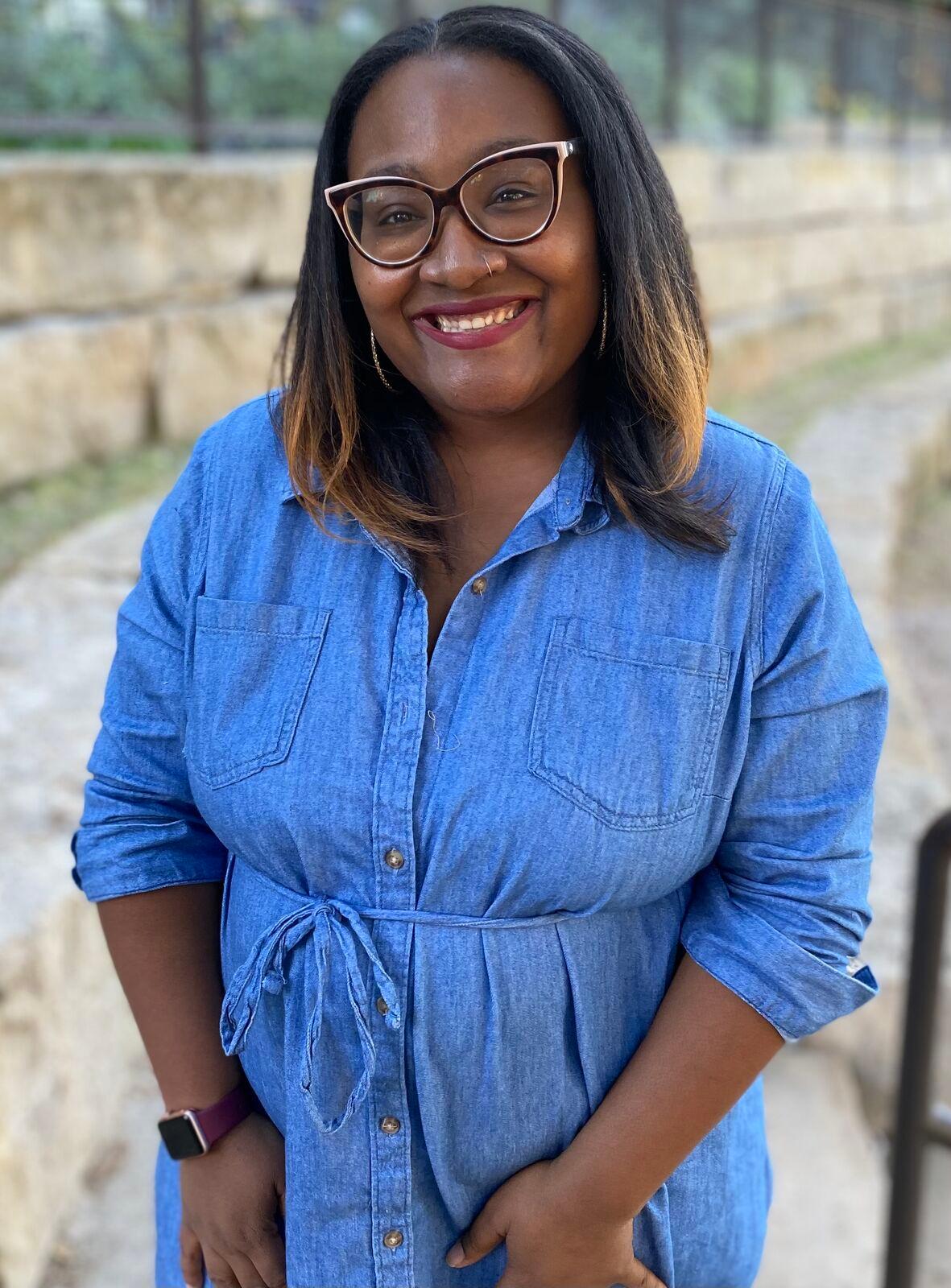
This month’s contributor is Briana Barner, a newbie plant mama raising her family in Texas. She is currently finishing her Ph.D in Media Studies at the University of Texas at Austin. In her free time, Briana enjoys writing, listening to podcasts and crafting. She recommends checking out the organization Black Girls With Gardens.

Briana Barner Headshot

Contributing writer Briana Barner

I do not have a green thumb. Let’s make that clear, first and foremost.

This is what I would tell myself as I strolled past plants, gardening, and anything related to it. I had no desire to take care of a plant in any form; I was struggling enough to take care of myself and my family. But one day, during a particularly low point where my mental health declined, I remembered one of my best friends casually suggesting that a plant might help. At the time, I dismissed it, but then it came back into my mind. Maybe it would help. At that point, I was willing to try anything; I just wanted to feel better.

So I mustered up the courage to go buy my first plant. I had no idea what I was doing, or even where to look. But I remembered that my grocery store sells plants, so I figured that’d be a good place to start. My friend recommended a peace lily plant. It was just my luck that as soon as I entered the floral section, big beautiful peace lily plants greeted me. One beckoned to me, so I took it home.

During that first year of being a plant mama, I still believed I didn’t have a green thumb. I bought a few more plants but had no idea how to take care of them – I thought I just needed to water them periodically and that was it. A family member gently reminded me that these are living beings that need more than just water. They told me that it was important to pay attention to their patterns – how much light they need, what the best environment is, and more. I had to care for them.

Briana Garden

I still didn’t connect gardening to self-care until the pandemic began. At that point I still had some of the plants from my earlier, non-green-thumb days. At the lowest points of the beginning of quarantine, it was hard to imagine how gardening could help at all. Honestly, gardening seemed like another chore and stressed me out. And, I reminded myself, I don’t have a green thumb. But if caring for plants could bring me out of a low point once, maybe it could happen again.

I made the decision to take advantage of the pause that quarantine demanded from us. We clearly had much more time on our hands. This was an opportunity to radically shift and try something different. My pre-pandemic life involved no hobbies, and I wanted to change that. I was so focused on being busy and filling my time with activity after activity. Quarantine forced me to slow down and think about other things that I could do, since much of my “self-care” activities were now unavailable to me.

I could never have imagined the joy that I would get from gardening. I’m a city girl through and through. Growing up, we didn’t have a backyard, and I was not used to having my hands in the ground.

img-1161.png

There was so much to learn, but again – I had more than enough time on my hands. I learned about the benefits of compost for soil (and was surprised to learn that there are different kinds of soil!). I learned the importance of fertilizer. I learned why it was necessary to have a fence around the garden – the bunnies that came to my yard each night also enjoyed the fruits of my hard labor.

The first time I visited a nursery was a life-changing experience. I felt at home. I enjoyed looking at the varieties of plants, touching the leaves, looking at the soil. It is a feeling that is hard to describe. I purchased seeds and rolled up my sleeves. My husband helped me to build a raised garden bed. I take great pride now in what I can do with my hands. Getting my fingernails dirty became an accomplishment.

I’ve learned so many lessons from gardening. It takes great intention to plan for a garden. I had to figure out the best position to place the garden bed, noting what points of my yard received the most sunlight, and at which times of day. Taking care of a garden forced me to get outside and enjoy nature-an activity that I didn’t take advantage of before COVID.

The wee hours of the morning became my quiet, sacred time as I tended to my garden and listened to the birds chirping. For those moments, the world stopped and I didn’t have to think about the chaos that was happening outside my yard.

The best part about gardening is seeing the plants grow. Gardening has brought out childlike excitement for me. I eagerly rush to see my plants, and take delight in watching the fruits and vegetables grow. The food tastes different, more fresh. It is an indescribable feeling to know that the food that I provide for my family was grown by me. Before I became interested in gardening, I hadn’t put much thought into where our food came from. But as more and more food grew in the garden, even my family got excited to see what was for dinner that night, and how much of it came from the garden.

The end of the gardening season was bittersweet. It had taken up so much of my time and it really did get me through the roughest points of quarantine. I panicked a little, worrying about what would occupy my time. But one of the biggest lessons I’ve learned from gardening is to trust the process and to trust the seasons. The gardening season might have been over, but the lessons remained. Winter became a time to reflect on what worked and what needed improvement, and now in spring, it’s time to prepare and do lots of labor to prepare for the summer harvest. I am more than excited for round two of gardening and getting my hands in as much soil as I possibly can. In tending to my garden, I am tending to myself.

Filed Under: Under the Sun Blog Tagged With: by Jill McLaughlin, Climate Voices

Why Clean Energy Should Be King: Contributing Piece by Dr. Lori Banks

March 10, 2021 by Ale Moreno

This month’s contributor is Dr. Lori Banks. Dr. Banks is an Assistant Professor of Biology whose work focuses on novel antimicrobial development, representation in STEM education, and sustainable laboratory practices. She holds a B.S. in Biology from Prairie View A&M University and a Ph.D. in Molecular Virology and Microbiology from Baylor College of Medicine. She also participates in a number of local community service organizations around Northern New England including Girl Scouts of Maine, Zeta Phi Beta Sorority, Inc., and Indigo Arts Alliance.

Dr. Lori Banks

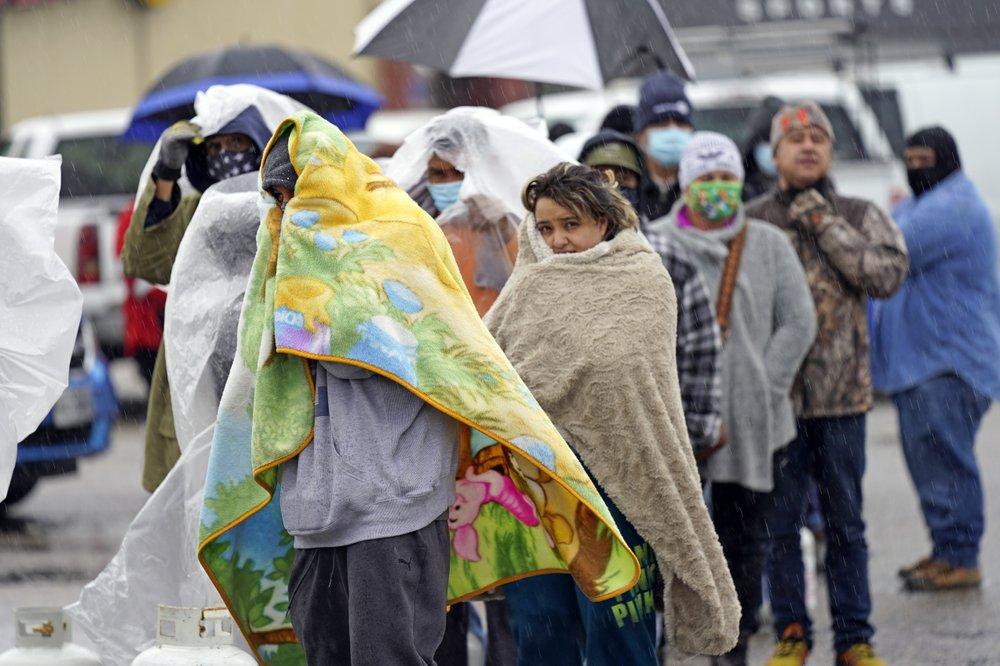
Being a relatively new Maine transplant from Texas, it has been painful to watch the last few weeks following the winter storm that came through the southern states. More than 80 people in Texas succumbed to hypothermia, some of whom were in their homes at the time. Numerous others suffered significant damage to their homes and businesses, by what was clearly a human failure and not an act of God.

These events further underscore the reach of energy policy decisions, and more importantly, the need for an overhauling of our nation’s energy policy in general. In this moment, we are in desperate need of grid infrastructure safeguards, and clean energy solutions that provide jobs for our economy without harming our already fragile environment. As Jonathan Scott says in his 2020 documentary ” Power Trip ,” we need to ask ourselves why we don’t have these things.

I believe that there is a disconnect between the utility companies that manage how power is sold and purchased, and the vast majority of us who are energy customers, happy to not live in the pre-electricity 1800’s. The fundamental differences between these people, and the narrative defining each, may be at the heart of this issue.

In the days before I had my own bills, I watched my parents navigate the world of corporate America as the first representatives of our family in that environment. They worked long hours, and survived long commutes for my dad to earn $0.75, and my mom to earn $0.63, to every dollar of their white male counterparts. Though never formally tied to their political views, I’d argue that our household energy policy was the epitome of fiscal responsibility; “Turn out that light!”, I was told when leaving any room. Subsequently, our relationship to the environmental movement growing in Washington State, was more along the lines of “use less energy to decrease the need to use fossil fuels,” rather than trying to help develop or support new technologies for clean energy like solar power. Like many other families, my parents just didn’t have time or the background information to consider anything but the traditional utility-offered options.

Texasstormphoto

People wait in line to fill propane tanks, Houston, Texas, February 2021. AP Photo/David J. Phillip

Then as now, there is also so much that goes on at the city or county level that determines what energy options are available that is not communicated, or not communicated well, to the lay public. That must change. Utility customers and environmentalists have to be at these decision-making tables. Additionally, the imagery surrounding renewable energy technologies makes them appear expensive and beyond the reach of families like my parents. To the general public it seems like a nice idea, but out of reach for families without the perceived financial means necessary to turn a roof into a science project.

So, where is the hope in all of this? As consumers, we must use our voices to advocate for clean energy solutions and hold those currently in decision-making spaces accountable. Better yet, we need to find our way to fill those positions too. On the flip side, we need to pick back up on Obama-era efforts to drive down the cost of easy-to-use solar equipment. If we can include low-cost photovoltaic panels in calculators, can we affordably harness solar energy for other portable electronics? Lastly, as with all areas of science, the story around the people and the products of clean energy needs a new spin. These products can be for the every-man/woman, so the product marketing and advocacy need to show that. We can absolutely make these happen.

While we consider solutions to these higher level, human issues, the reality is that our planet continues to deteriorate at our hands. We need to think and work quickly, else our progress will continue to hurt those we claim to be helping.

Filed Under: Under the Sun Blog Tagged With: by Jill McLaughlin, Climate Voices

Maine Environmental Changemakers

February 2, 2021 by Ale Moreno

This month’s contributors are Amara Ifeji, Uma Mohamed, and Melissa Tian from Maine Environmental Changemakers – a youth-led intergenerational network that connects young Mainers passionate about the environment, social justice and/or conservation with each other, with mentors, and with the resources and training they need to actualize their ideas in their home communities.

Earth is dying. Each new day brings news of another natural disaster which devastates not only the planet itself, but also the people who inhabit it. The climate crisis is especially evident in the state of Maine where the Gulf of Maine warms 99% faster than all the world’s oceans. And yet, despite this overwhelming truth, climate change is still one of the most polarizing issues today, even in our own state. Why is this the case? The answer is quite simple: climate change has a single story rooted in science, graphs, and models. However, this is far from the most compelling means to impassion people about this issue. A key element is missing from this story and that is the structural inequities rooted in this country, which climate change only further exacerbates. We are the marginalized individuals whose climate stories are left out and these are the stories we offer up.

Uma

Uma Newsletter

Umulkair Mohamed

Food insecurity, environmental racism and water injustice were the topics that fueled me into becoming the amateur climate activist I am today. Growing up in Southern Maine, I was fortunate enough to spend time in organizations such as Cultivating Community and Maine Environmental Changemakers that educated me and helped me identify these injustices in my own community, while pushing me to connect the dots and research about water injustice in my home country. Without the impact of these organizations that worked to further the perspectives of Maine’s youth, I would have never had the tools or interest to even become a climate activist. Many of the organizations I have been a part of emphasized participation from BIPOC youth. This prioritization allowed many of us to feel welcome and valued in an area of social justice that is dominated by white people. The most memorable dialogues I’ve had on climate justice in these predominantly white spaces have been ones where BIPOC youth had to bring in our own experiences to help everyone, and especially our white counterparts, see the intersection between racial and climate issues.

Melissa

Melissa Photo Newsletter

Melissa Tian

Growing up in Maine as the daughter of two immigrants has tremendously shaped who I am today and how I view the world around me. For a long time when I was growing up, I felt this sense of duality within myself as an American-born child growing up in a Chinese household. I felt as if I was constantly facing decisions that tested who I really was, what side I belonged to. But I was always stuck somewhere in between. When I’d visit my extended family in China, my relatives would refer to my sister and me as the “American children.” But growing up in Maine, I always felt that subtle sense of awkwardness or disconnect with the peers around me. However, there is an undeniable bond between the concepts of environmental justice and racial justice, and learning about this intricate connection gave me clarity about my own identity. When I discovered the roots behind systemic racism in our country and the similarities with our environmental history I began to understand why I had such difficulty figuring out who I was and who I wanted to be. I also realized the need and importance for not just education but equitable education that all students could have access to. For the first time in my life, I was confident about my identity and that allowed me to pursue my passion for climate justice and climate education.

Amara

Amara Ifeji

My love for the environment is embodied by a pastel blue dress I completely ruined while playing outside my church’s yard. Years later, at the age of 19, my fascination with the environment has only grown. On the other hand, especially growing up in the least diverse state in the country, another passion of mine has always been advocating for BIPOC individuals like myself. One passion fueled by my lived experiences facing racial injustice, the other stemmed from a connection to place with the natural world and no longer wanting to watch what I loved to suffer. I always thought these passions were completely distinct from one another and I never let my work in one inform my work in the other. This was all until I attended the Maine Environmental Changemakers Gathering. There, I learned my two passions were one in the same. The climate justice movement isn’t just about bringing awareness to the issue of climate change, it is also about shedding light on how marginalized individuals, particularly lower-income, BIPOC folx like myself, are disproportionately impacted. I made the link that my chronic asthma was caused by living 13 miles from a coal plant, like 1 in 3 other black folks do. Or my connection to nature was hard to foster due to fear of the outdoors by my parents and an inability to afford outdoor gear. In realizing these things, I didn’t just see myself as part of either movement; from that day onward, I was a climate justice activist.

Climate justice is racial justice is economic justice is LGBTQ+ justice is immigrant justice. All these issues are linked, tethered as one. The narrative of climate change must be shifted instead to one of climate justice, incorporating the stories and perspectives of marginalized individuals like ourselves as we, amongst many others, are the most impacted by these issues and our stories can and will no longer be silenced. Because, as civil rights activist Angela Davis once said, “I’m no longer accepting the things I cannot change. I’m changing the things I cannot accept.”

About the contributors:

Amara Ifeji shares her time as a student at Northeastern University and grassroots development coordinator with the Maine Environmental Education, where she advocates for intersectional climate justice solutions and equitable access to the outdoors. Amara also serves on the Nature-Based Education Consortium Climate Education and Municipal Advocacy Task Forces, TeachME Outside collaborative project, and co-chairs the NBEC Communications Task Force. For her work in promoting environmental education, she was awarded the Global North American Environmental Education 30 Under 30 International Award – one of only six people under 30 in the USA recognized for their leadership in environmental education in 2020.

Umulkair Mohamed will soon graduate from Deering High School. She spent her time as one of the presidents of Black Student Union and on a school board team to decolonize the social studies curriculum. She plans to study Computer Science and Arabic at Bowdoin College in the fall.

Melissa Tian is currently a first year student at Yale University where she is exploring the intersection of science and society. She is passionate about awareness for the current climate crisis and its effects on social injustice. She has been a part of the Maine Environmental Changemakers network since 2018 and has served as a youth community organizer.

Filed Under: Under the Sun Blog Tagged With: by Jill McLaughlin, Climate Voices

Renewable Energy and Racial Justice: How the Advent of Renewable Energy Rebuilds BIPOC communities and their Relationships to land

November 12, 2020 by Ale Moreno

Guest Contributor Lawrence Early

This month’s contributor is Lawrence Stephen Early IV (he/him/his). Lawrence is a queer, black, and disabled engineer who centers his work on sustainability, mental health, justice, systemic inequality, and improving life for all living beings. During his time as an undergraduate, he focused primarily on global energy infrastructure and water security, along with studying and shifting sustainability agendas on campus and beyond in accordance with evolving frameworks. After graduating from Yale University with a degree in Mechanical Engineering and certificate in Energy Studies this past May, Lawrence has worked as a research engineer for a sustainable architecture firm, using his free time to protest, create music, design sculptures, and write about climate and society.

It’s an understatement to say that 2020 is and will be remembered as a watershed moment in the world. In the US, an overwhelming US presidential election, a major inflection point around police brutality, and the shock of the Covid-19 pandemic have all contributed to a rising mass awareness around the foundational institutions of our country and globe, and the impending threat of the climate crisis. While the outcome of the presidential election means there should be some expected policy progress around climate, an informed context of Energy involves seeing it from a larger context, e.g. that we can’t understand Energy as it relates to our society and economy without seeing it in the full context of systemic racism and injustice that exists elsewhere.

Part of why discussions of energy have lacked interconnected understandings of social and political justice is that conventional energy (i.e. fossil fuels) tends to poorly serve individual communities and the globe at large, given its largely profit-centered and centralized nature. At the same time, it is no longer news to most that fossil fuels have extremely detrimental impacts on the Earth, by contributing to greenhouse gas emissions, climate change, deleterious extraction and many more problems that are often left unconsidered in dominant conversations about it. These obscured dimensions, however, are incredibly important, and understanding them helps us also explore how a rise in renewable energy provides far more than simply a route to curb anthropogenic climate impacts.

Centering Racial Justice by Understanding Racial Impacts

In the context of the United States, energy and electricity, despite being a universal necessity, is not experienced the same way by all communities. In the South, for example, it is common for BIPOC (Black, Indigenous, People of Color) residents in neighborhoods to incur disproportionately higher electricity bills , even as 40% qualify for low-income energy assistance. Black Americans are 52% more likely than their white counterparts to live in areas experiencing urban heat island effect, which leads to heightened health impacts as they are vulnerable to heat waves and face a greater risk of utilities being cut off. Redlining and histories of segregation also place these communities in areas that face the greatest flood and hurricane risk, among other climate threats. Coupled with this, the majority of BIPOC communities live in areas that experience the poorest air quality, largest burdens of corporate pollution, and non-consensual “development” without community investment (as in the case of the Tribal Nations and communities with the Keystone XL Pipeline). Seeing these examples, it becomes incredibly clear that “climate and race are inextricable,” as Yerina Mugica of NRDC succinctly put it. Nearly thirty years ago, Dr. Robert D. Bullard introduced the framing of this as environmental racism . [1] And three decades later, our communities are building from the ground up to work against these institutional failures, by pushing for a Just Transition and Just Recovery.

Just Transition, Just Recovery and Energy as a Defining Role

In Harvard-Yale Puerto Rico, Climate Change and Fossil Fuel Divestment Protest, 2019. Source: WSJ

Just Transition and Just Recovery , as beautifully explained by Leah Obias and Emi Yoko-Young of Race Forward, [2] speak to the concept of a sustainable reality built with a focus on social equity- the acknowledgment of the racial injustice as a foundational starting point, rather than an obscure or topical idea held in side-conversations of environmentalism. It extends to the economic dimension by advocating for a regenerative (and restorative) economy, refuting the extractive model that has originated from and reproduced systemic inequality. Furthermore, the concept emphasizes responsive action that will allow communities to rebuild mutually supportive networks, rather than endure failed superficial aid and other half-measures from external actors that continue to displace individuals and communities (as seen in Michigan (Flint), Louisiana, and Puerto Rico). As one of the greatest threats BIPOC communities face is climate disaster, renewable energy becomes an essential part of the core resilience for a Just Transition and Just Recovery.

What It Actually Looks Like: Uplifting BIPOC Communities with Renewable Solar

Understanding the surrounding context of energy remains crucial to creating livable and thriving communities. There are so many B-corps, grassroots and community organizations that work together to build an energy resilient future that deepens the positive relationship between us and the lands that we occupy. In resistance to the Keystone XL Pipeline (and TransCanada, the company responsible), Indigenous-led coalitions on the ground have begun crowdfunding to install solar arrays within the pipeline route- coining it as “Solar XL,” and launching the ” Promise to Protect ” as a commitment to ongoing resistance in and out of the courtroom. In Puerto Rico, responding to the devastation of Hurricane Maria [3] and insufficient governmental aid, communities have invested in solar microgrids (self-sufficient, decentralized, neighborhood-scale electric grids), and invited community members to schools and local safe-points to obtain electricity, food, and other resources as the rebuilding continues.

Jason Carney , Kristal Hansley , and Mark A. Davis are only three of the Black individuals who have created solar companies that focus on improving the accessibility of rooftop solar for Black, Hispanic and low-income communities in the last decade, creating jobs and pushing for legislative changes in the process that reduce the disproportionate energy threats faced in these neighborhoods by fostering an Energy Democracy. Driven by the inseparable relationship that BIPOC communities have always had to our environment and land, this work will only continue to strengthen the possibilities of a sustainable future.

Renewable energy will become increasingly important to the political autonomy and decentralized resilience of at-risk communities. The mutual aid and continuous learning and unlearning of what is possible reestablishes the investment Black and Indigenous peoples have to land, which has been consistently threatened by institutions that overlook and exploit this relationship. Now, this relationship serves as an advantage to all of us in the fight against climate change and the fossil fuel industry.

For those who wish to help or learn more about these projects, here are a few places and organizations to help get started.

  • To learn more about the resistance to the Keystone XL Pipeline and Renewable Advocacy from Indigenous voices: Indigenous Environmental Network , 350.org , Bold Nebraska
  • To learn more about the solar microgrid projects in Puerto Rico: Openlab
  • Follow social media pages and organizations dedicated to diverse environmentalists ( Intersectional Environmentalists , Gen-Green , International Indigenous Youth Council , Zero Hour , Global Alliance of Territorial Communities )

Key Takeaway: The energy sector lies at the heart of racial and climate justice, by defining the livable environment for Black, Indigenous, communities of Color. Understanding these disparities, and new frameworks, we can see that renewable energy (solar in this context) provides a promising path to community resilience and hopeful change.

[1] Published 30 years ago, Dumping in Dixie: Race, Class, and Environmental Quality emphasizes the intersections of environment, health, and race for communities in the United States.

[2] https://www.raceforward.org/system/files/pdf/reports/RaceForward_Energy_Democracy.pdf

[3] Note: Puerto Rico has been impacted by two other major hurricanes along with Hurricane Maria (Irma, and Dorian).

Filed Under: Under the Sun Blog Tagged With: Climate Voices

It’s Not About Time. It’s About Relationships

October 6, 2020 by Ale Moreno

Janice Torres Writer

This month’s guest contributor is Janice R. Torres (Puerto Rican Taino), a full-time writer, storyteller, and former music maker. She has contributed to writing blogs as well as several online health & fitness publications and blogs, mainly focusing on ways to maintain a healthy mindset. When not working on freelance content, you can find her, red pen in hand, editing her first novel.

In Indigenous cultures, there are words for everything.

How the sun moves, what to call a particular bit of scrub bush, even a person missing any or all teeth (In Taino, it’s mahite ).

Indigenous languages are both linguistically complex and widely varied, even within clans and families. There are subtleties and nuances that demonstrate relationships in a way that is unavailable in English. But there is one word in the English language that has no direct equivalent in any of them.

Nature.

Some may think it makes no sense for Indigenous cultures around the globe not to have come up with a single word that describes the natural world around them. But, it is important to understand how different peoples relate to their environment.

Dr. Luca Coscieme, Research Fellow in the School of Natural Sciences at Trinity College in Dublin states, “When we refer to ‘nature and ‘the environment’, we tend to assume that every one of us has a pretty similar understanding. The words we use to express our understanding of the world have a very contextual meaning, which is shaped by our past and present experiences, our moral values, and our culture, and the same is true for the stories we tell by these words.”

Recently I came across an article in the New York Times about the Metronome art installation clock located across from Union Square in New York. Recently, it changed from marking time in its own unique way to a more ecologically sensitive approach. A Climate Clock, they called it.

The time we have left to change how we have been treating the world around us. To prevent catastrophic events from becoming inevitable. Many environmental enthusiasts and scientists have dubbed it the Doomsday Clock.

Accelerated climate change is not a new occurrence, not something that began in the last fifty years or so. It is an accumulation of human driven events and decisions made throughout time. Throughout history.

Our history.

And it comes from one thing: our inability to see that we do not live in nature. We are nature. We are not separate from the living world around us. We are an equal part of it.

Sunrise Photo

“Indigenous people view both themselves and nature as part of an extended ecological family that shares ancestry and origins,” writes Enrique Salmon, author of Kincentric Ecology: Indigenous Perceptions of the Human-Nature Relationship. “It is an awareness that life in any environment is viable only when humans view the life surrounding them as kin. The kin, by and, in turn, affect the life around them. The interactions that result from this “kincentric ecology” enhance and preserve the ecosystem. Interactions are the commerce of ecosystem functioning. Without human recognition of their role in the complexities of life in a place, the life suffers and loses its sustainability. Indigenous cultural models of nature include humans as one aspect of the complexity of life.”

So, how can kincentric ecology be implemented to change that we are running out of time?

Industrialized society has been built upon the biblical notion of “having dominion over the earth” and to “subdue it”.

Indigenous creations stories teach us that we are part of the fabric of this world and to work in right relationship with the living world around us. In many ways, Western science is now demonstrating the reality of what our Indigenous ancestors said all along: We are all related.

This does not mean we abandon our homes, no longer shop in grocery stores for our food, or stop driving our cars. It means we must find a way to utilize those things in sustainable ways and not sacrifice the living world around us. It means developing a kinship with the beings that surround us every day rather than taking them for granted.

Leslie Marmon Silko, Laguna author and poet states it perfectly. “Human beings must maintain a complex relationship with the surrounding natural world if they hope to survive in it.”

Fortunately, we have already begun the work.

When companies and homes use things like wind and solar energy, we are in right relationship with our world. We are harnessing the elements that flow freely around us. We are not depleting earth’s resources, but taking advantage of the infinite gift it provides. These things allow the ecological system to heal, the earth to replenish itself, and at the same time offers humanity a sustainable future.

When we do that, the need for time to repair our planet is erased.

And so is the need for a Climate Clock.

Filed Under: Under the Sun Blog Tagged With: Climate Voices

  • Page 1
  • Page 2
  • Go to Next Page »

sidebar

sidebar-alt

Subscribe to newsletter

Which newsletters would you like to receive?

Consent Enjoy the Sun(Required)
Consent(Required)
To provide the requested information, we need to store and process your personal data. By submitting this form, you agree to allow ReVision Energy to store and process your personal data for this purpose. Please see our privacy policy for more information.

  • Merch Store

Sitemap

  • Solutions
    • Homes
    • Commercial
    • Service
  • Our Work
    • Projects
  • About
    • Our People
    • Social Impact
    • Our Locations
    • Careers
  • For Customers
    • Support & Service
    • Be A Solar Champion
  • News & Events
    • Releases
    • Press
    • Under the Sun Blog
    • Events and Webinars
  • Our Partners
  • Resources

Follow Us

General Contact

Contact one of our branches for sales and non-service inquiries, or email us at hello@revisionenergy.com

Service

Need support for your existing system? Contact our Service Team:
Reach us at (207) 747-0076 or open a Support Ticket.

South Portland, ME

(207) 221-6342

Map & Directions 

Montville, ME

(207) 589-4171

Map & Directions 

Brentwood, NH

(603) 679-1777

Map & Directions 

Enfield, NH

(603) 632-1263

Map & Directions 

North Andover, MA

(978) 308-9041

Map & Directions 

Westfield, MA

(413) 884-1000

Map & Directions 

Copyright © 2026 ReVision Energy. All rights reserved.

Privacy Policy | Terms